When your home feels perfectly warm on a cold winter morning or refreshingly cool during a summer heatwave, you have your HVAC system to thank. HVAC stands for Heating, Ventilation, and Air Conditioning — the integrated system that keeps your home comfortable, healthy, and energy-efficient throughout the year. Understanding how this essential system works can help you maintain it better, troubleshoot problems, and make informed decisions about upgrades or repairs.
How an HVAC System Works: The Basics
At its core, an HVAC system is designed to move heated or cooled air throughout your home to maintain a comfortable temperature and improve indoor air quality. The system works by pulling in air from your home, conditioning it to the desired temperature, and then circulating it back through ductwork or direct air handlers. A thermostat acts as the brain of the operation, signaling the system to turn on or off based on your temperature settings.
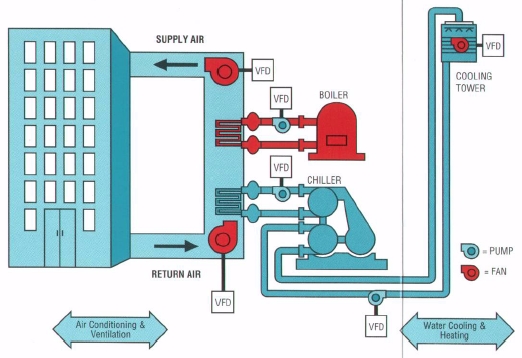
The three main functions of an HVAC system are interconnected. Heating raises the indoor temperature during cold weather, cooling lowers it during hot weather, and ventilation ensures a steady exchange of indoor and outdoor air to remove pollutants, moisture, and odors. Together, these functions create a healthy and comfortable living environment.
The Key Components of an HVAC System
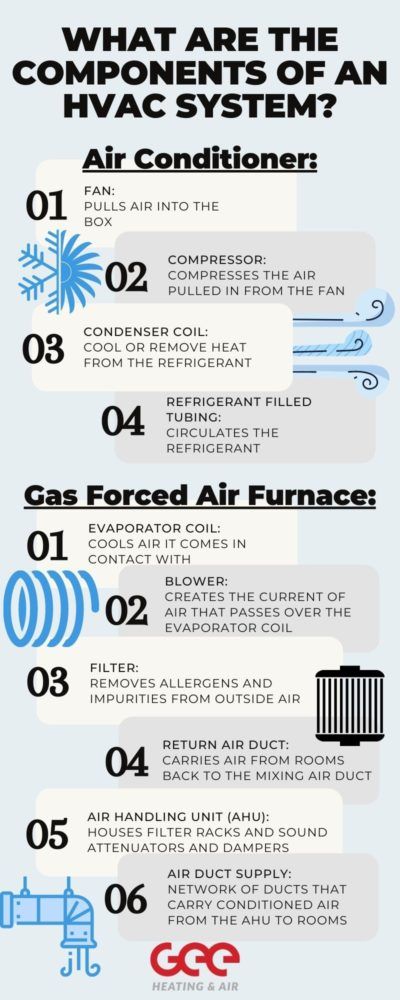
Every residential HVAC system consists of several critical components that work together. The furnace or heat pump generates heat, typically by burning fuel (gas, oil, or propane) or using electricity. The air conditioner or heat pump provides cooling by removing heat from indoor air and releasing it outdoors. The evaporator coil and condenser coil are essential to the refrigeration cycle that makes cooling possible. The blower motor and fan move air through the ductwork, while air filters trap dust, pollen, and other particles to keep the air clean. Finally, the thermostat controls when the system operates based on your preferred temperature settings.
Ductwork serves as the circulatory system of your home, carrying conditioned air from the HVAC unit to each room through supply ducts and returning it through return ducts. In ductless mini-split systems, individual air handlers in each room eliminate the need for ductwork entirely.
How Heating Works: Keeping Warm in Winter
When the thermostat detects that the indoor temperature has dropped below your set point, it signals the heating system to activate. In a gas furnace, the burners ignite to heat the heat exchanger, and the blower fan pushes air across the hot heat exchanger and into the ductwork. In a heat pump system, the pump extracts heat from the outside air (even when it's cold outside) and transfers it indoors using refrigerant. Electric furnaces use heating elements that glow red-hot when electricity passes through them, similar to a giant hair dryer.
Modern heating systems have become remarkably efficient. According to industry standards, high-efficiency gas furnaces can achieve AFUE (Annual Fuel Utilization Efficiency) ratings of 98 percent or higher, meaning nearly all the fuel is converted into usable heat rather than being wasted.
How Cooling Works: Beating the Summer Heat
Air conditioning relies on the principles of thermodynamics and the refrigeration cycle. The process begins when the compressor pressurizes refrigerant, turning it into a hot, high-pressure gas. This gas flows through the condenser coil (located in the outdoor unit), where it releases heat to the outside air and condenses into a liquid. The liquid refrigerant then travels to the expansion valve, where it rapidly expands and cools before entering the evaporator coil inside your home. As warm indoor air blows across the cold evaporator coil, the refrigerant absorbs the heat, cooling the air. The blower then circulates this cooled air throughout your home.
The SEER (Seasonal Energy Efficiency Ratio) rating measures cooling efficiency. Modern systems can achieve SEER ratings of 20 or higher, while older units may have ratings as low as 8 or 10. Upgrading to a high-SEER system can significantly reduce your energy bills during the cooling season.
The Role of Ventilation in Indoor Air Quality
Ventilation is often the most overlooked part of an HVAC system, but it plays a vital role in maintaining healthy indoor air. Mechanical ventilation systems use fans and ductwork to exhaust stale indoor air and draw in fresh outdoor air. This process removes moisture, odors, smoke, dust, airborne bacteria, carbon dioxide, and other pollutants. Many modern HVAC systems include energy recovery ventilators (ERVs) or heat recovery ventilators (HRVs) that capture energy from exhaust air to precondition incoming fresh air, improving efficiency.
Proper ventilation is especially important in tightly sealed modern homes, where natural air infiltration is minimal. Without adequate ventilation, indoor air can become more polluted than outdoor air, even in urban areas.
HVAC Maintenance: Keeping Your System Running Efficiently
Regular maintenance is essential for maximizing the lifespan and efficiency of your HVAC system. The U.S. Environmental Protection Agency's ENERGY STAR program recommends scheduling professional maintenance twice a year — once in the spring for the cooling system and once in the fall for the heating system. A typical professional check-up includes checking thermostat settings, tightening electrical connections, lubricating moving parts, inspecting the condensate drain, cleaning evaporator and condenser coils, checking refrigerant levels, and cleaning and adjusting blower components.
There are also important maintenance tasks homeowners can perform themselves. Changing air filters every 30 to 90 days is the single most important DIY task — a dirty filter can increase energy costs and damage equipment. Keep the area around outdoor condenser units clear of debris and vegetation, and trim back foliage at least two feet from the unit. Clean supply and return registers regularly, and listen for unusual noises that may indicate a problem.
Energy Efficiency and Modern HVAC Trends
Today's HVAC systems are more energy-efficient than ever before. Variable-speed motors adjust airflow based on demand rather than running at full speed all the time, reducing energy consumption and improving comfort. Smart thermostats learn your schedule and preferences, automatically adjusting temperatures to save energy when you're away. Zoned systems allow you to heat or cool different areas of your home independently, so you're not wasting energy on unused rooms.
Heat pump technology has advanced dramatically, with modern cold-climate heat pumps capable of providing efficient heating even in sub-zero temperatures. Geothermal heat pumps, which exchange heat with the ground rather than the air, offer incredible efficiency but require a higher upfront investment. Many homeowners are also exploring hybrid systems that combine a heat pump with a gas furnace, automatically switching between them based on outdoor temperatures and energy costs.
When to Repair vs. Replace Your HVAC System
Most HVAC systems last between 15 and 25 years, with furnaces typically lasting longer than air conditioners. If your system is more than 10 to 15 years old and requires frequent repairs, replacement may be more cost-effective. Other signs that it's time to replace include rising energy bills despite normal usage, uneven temperatures throughout your home, strange noises or odors, and the need for refrigerant R-22 (which is being phased out).
When replacing your HVAC system, look for ENERGY STAR certified models, which meet strict efficiency guidelines set by the EPA. These systems use 8 to 10 percent less energy than standard models, and the savings on your utility bills can offset the higher initial cost over time.
The Bottom Line: Key Takeaways for Homeowners
- HVAC systems provide heating, cooling, and ventilation to keep your home comfortable and healthy year-round
- Understanding the basic components — furnace, air conditioner, heat pump, thermostat, ductwork, and filters — helps you communicate effectively with HVAC professionals
- Regular maintenance, especially monthly filter changes and annual professional inspections, can improve efficiency by up to 15 percent and extend system life
- Modern high-efficiency systems with SEER ratings of 20+ and AFUE ratings of 98%+ offer substantial energy savings
- Smart thermostats, zoning systems, and heat pumps are among the top upgrades for improving home comfort and reducing energy costs