Halloween has grown from an ancient Celtic harvest ritual into one of the most anticipated — and most decorated — nights of the year. Every October 31, millions of Americans carve pumpkins, hand out candy and pull on costumes, and in 2026 the holiday is bigger than ever, with retailers reporting record spending and a fresh wave of costume and decor trends. But how did a 2,000-year-old festival become a night of trick-or-treating and jack-o'-lanterns? Understanding Halloween means tracing its roots back to the Celtic festival of Samhain, following its traditions through centuries of change, and seeing how those old customs shape everything from this year's Varsity Swag costumes to burgundy-and-black home decor. Here is how Halloween works — from its origins and traditions to the 2026 trends transforming the season.
From Samhain to Halloween: How the Holiday Began
Halloween's story begins more than 2,000 years ago with the ancient Celts, whose culture spread across much of Europe. On October 31, the Celts celebrated Samhain (pronounced sow-in), a festival marking the end of the harvest and the start of the dark, cold winter — effectively their New Year's Eve. The word Samhain means summer's end.
The Celts believed that on this night the boundary between the living and the dead blurred, allowing spirits to cross back into the world. To protect themselves, they built enormous bonfires to bring light into the darkness and ward off harmful spirits, and they wore costumes — often disguises meant to resemble the dead — so they could blend in with any supernatural visitors and avoid being recognized.
The holiday changed shape as Christianity spread across Celtic lands. In the 9th century, the Catholic Church designated November 1 as All Saints' Day, also called All Hallows' Day, to honor saints and martyrs. The evening before became known as All Hallows' Eve — a name that eventually shortened to Halloween. Rather than erase the older customs, the two traditions merged, blending the church's feast with the ancient bonfire-and-costume rituals.
Why We Carve Pumpkins and Say Trick or Treat
Two of Halloween's most recognizable customs — the glowing jack-o'-lantern and the door-to-door candy run — each carry a surprising origin story.
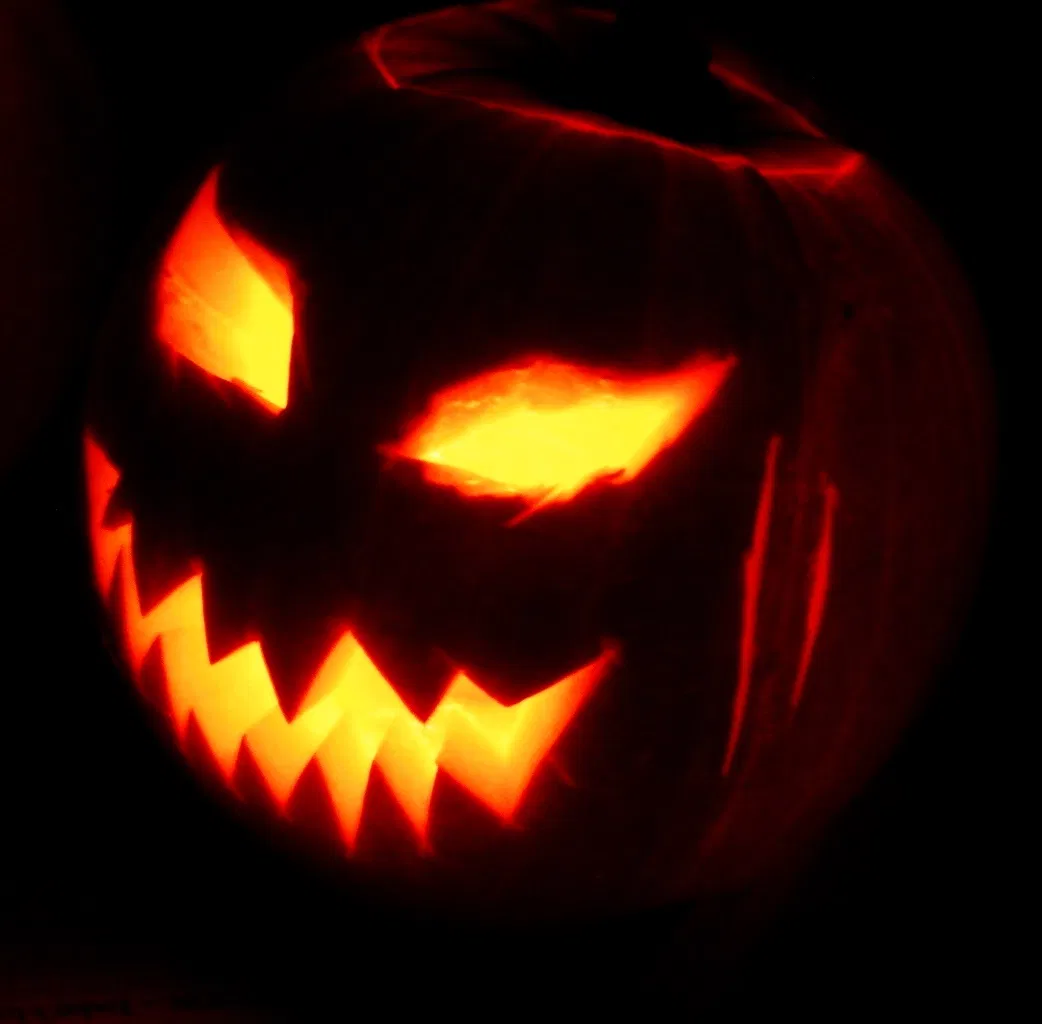
The jack-o'-lantern comes from an Irish folktale about a man named Stingy Jack. According to legend, Jack tricked the devil twice — once into becoming a coin and once up a tree — and made him promise never to claim his soul. When Jack died, he was rejected by heaven for his sins and by the devil, who kept his word, leaving Jack to wander the earth in the dark with only a single burning coal to light the way. Jack hollowed out a turnip, placed the coal inside, and became known as Jack of the Lantern. In Ireland and Scotland, people carved faces into turnips and potatoes to scare away his wandering spirit. When Irish immigrants arrived in America, they found pumpkins — native, larger and far easier to carve — and swapped them in, creating the jack-o'-lantern we know today.
Trick-or-treating traces back to two older European practices. In souling, a medieval custom, the poor went door to door on All Souls' Day offering prayers for the dead in exchange for small soul cakes. In guising, a tradition popular in 16th-century Scotland and Ireland, people dressed in costume and performed songs, verses or tricks in exchange for food or coins. Immigrants carried both customs to America, where they eventually merged into the modern phrase trick or treat — a playful bargain that took hold nationwide by the mid-20th century.
The 2026 Costume Trends Everyone Is Wearing
Every year the costume industry bets on which characters and styles will dominate, and 2026's lineup is heavily driven by pop culture. Spirit Halloween, the country's largest Halloween retailer, named its top trends for the season: Varsity Swag, also called Off Campus, a wave of retro varsity jackets and letterman-inspired looks; Toy Story 5, which brings Woody, Buzz and friends back into the spotlight; and K-Pop Demon Hunters, a mashup of K-pop styling and spooky horror. The retailer also expects superheroes — with Spider-Man leading the pack — Greek-inspired armor, fantasy looks, gaming fits and horror streetwear to be everywhere this October.
Google's annual list of most-searched costumes tells a similar story. Dolly Parton ranked as a top costume choice for both children and adults in 2026, while Scooby-Doo and Shaggy topped the couples and group searches. Other viral ideas circulating this year include Carolyn Bessette Kennedy's minimalist nineties style, Elle Woods from Legally Blonde, characters from Wuthering Heights and Euphoria, and Buddy the Unicorn.
The Today show has kept Halloween front and center, too, with its annual costume party. After 2025's NBC100 theme — when anchors dressed as icons like Prince, Beyoncé and Anna Wintour, and Hoda Kotb and Jenna Bush Hager went as Jack and Rose from Titanic — the 2026 celebration leaned into an epic road trip theme, with the anchors dressing as icons from around the country. The show has also been inviting fans to submit their best homemade DIY costumes, a reminder that the biggest costume trend may simply be creativity.
Halloween Home Decor Trends for 2026
Halloween decorating now starts well before October — a phenomenon retailers have dubbed Halloween creep or Summer-ween, with spooky decor hitting store shelves as early as August. When the season officially arrives, 2026's look is less about cheap plastic and more about stylish, layered design.
The year's dominant palette leans into deep, moody colors: burgundy, black and forest green. Designers are pairing these with vintage-style candelabras, lace and antique-looking frames for a sophisticated, dark-academia feel. Nostalgia is also a major driver, with eighties and nineties throwback pieces making a comeback alongside classic motifs. On the more modern side, tech-enhanced displays — including giant LED-lit hanging ghosts, projection effects and motion-activated props — rank among the season's biggest sellers.
Sustainability is shaping the trend, too. Many designers are swapping real pumpkins for dried florals in autumn colors, reusing materials for DIY projects and choosing decor that can transition from Halloween into Thanksgiving. One wildly simple idea going viral is monochrome taper candles — black tapers in black holders — which read as both elegant and eerie.
Easy DIY Halloween Decorations to Make at Home
If you would rather craft than buy, 2026's DIY ideas run from quick hacks to weekend projects. Among the most popular: ghost garlands made from cheesecloth or fabric, creepy lanterns built from jars and flameless candles, and glowing jar decorations filled with fairy lights. A clever viral hack turns an ordinary toilet into a mummy by wrapping it in gauze, while a diffuser placed inside a cauldron creates a low-cost smoking cauldron effect. Other favorites include carving the bottom of a pumpkin instead of the top for a longer-lasting, cleaner carve, giant eyeball balloons for the porch, floating witch-hat luminaries and phantom night lights made from printed faces and tissue paper.
These projects lean on a few simple principles: use what you have, layer textures, and mix handmade pieces with store-bought accents. The result is a home that feels intentionally decorated rather than dumped in a costume aisle.
How Much Americans Spend on Halloween
Halloween has become a serious economic event. By the most recent tallies, Americans were on track to spend a record sum on the holiday — roughly 13 billion dollars — with costumes the biggest single category at about 4.3 billion dollars, followed closely by decorations at 4.2 billion, candy at 3.9 billion and greeting cards at around 700 million. Consulting firm PwC's 2026 outlook put the average consumer's Halloween budget at about 263 dollars per person, down slightly from 289 in 2025, while millennials planned to spend significantly more, averaging 368 dollars.
For a holiday built on old rituals, that is a striking modern reality: a night once meant to ward off spirits now drives billions in candy, costumes and home decor — and it keeps growing every year.
The Bottom Line
- Halloween grew out of Samhain, a 2,000-year-old Celtic festival marking summer's end, when people lit bonfires and wore costumes to ward off spirits.
- The name Halloween comes from All Hallows' Eve, the night before the Christian feast of All Saints' Day on November 1.
- Jack-o'-lanterns trace to the Irish legend of Stingy Jack and were originally carved from turnips, not pumpkins.
- Trick-or-treating evolved from souling and guising, two old European door-to-door customs.
- 2026's costume trends are pop-culture-driven, from Varsity Swag and Toy Story 5 to K-Pop Demon Hunters and Dolly Parton.
- This year's decor favors deep burgundy, black and forest green, vintage touches, nostalgia and tech-enhanced displays.
- Americans spend billions on Halloween each year, with costumes, decorations and candy each topping 3 billion dollars.