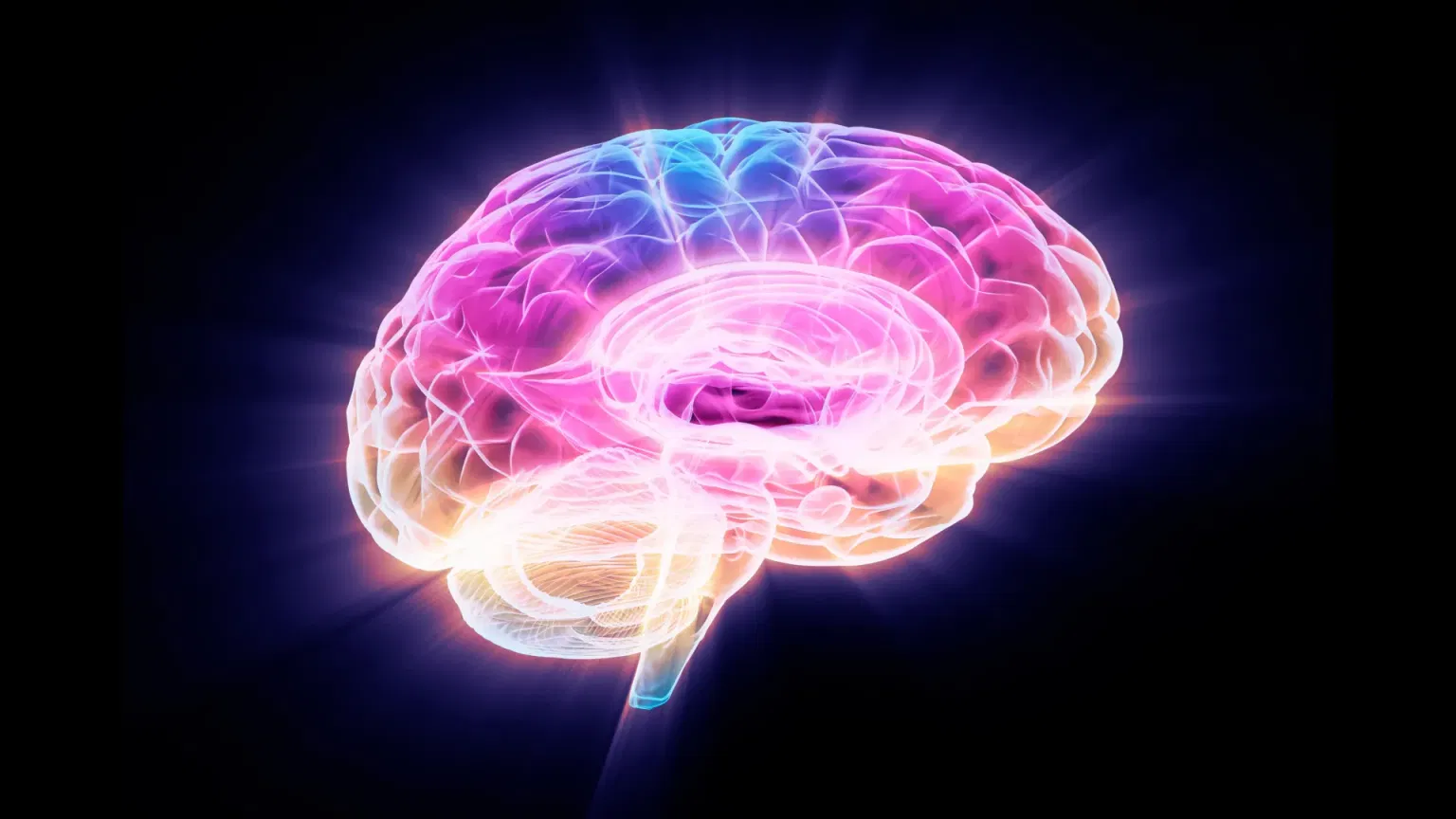
For decades, scientists believed cognitive decline was an inevitable part of aging—a slow, irreversible erosion of memory and mental sharpness. But groundbreaking research from the University of California, San Francisco has turned that assumption on its head. Scientists have identified a single protein called FTL1 as a key driver of brain aging, and remarkably, reducing its levels can reverse memory decline and restore neural connections. This discovery opens new possibilities for interventions that could help maintain cognitive health well into later life.
The FTL1 Breakthrough: How One Protein Accelerates Brain Aging
Researchers at UCSF's Bakar Aging Research Institute made their discovery by comparing the brains of young and old mice, focusing specifically on the hippocampus—the brain region responsible for learning and memory. What they found was striking: older mice had significantly higher levels of the FTL1 protein, fewer connections between neurons, and performed worse on cognitive tests. When scientists artificially increased FTL1 levels in young mice, their brains began to look and function like those of older animals, with simplified neural structures and diminished cognitive abilities.
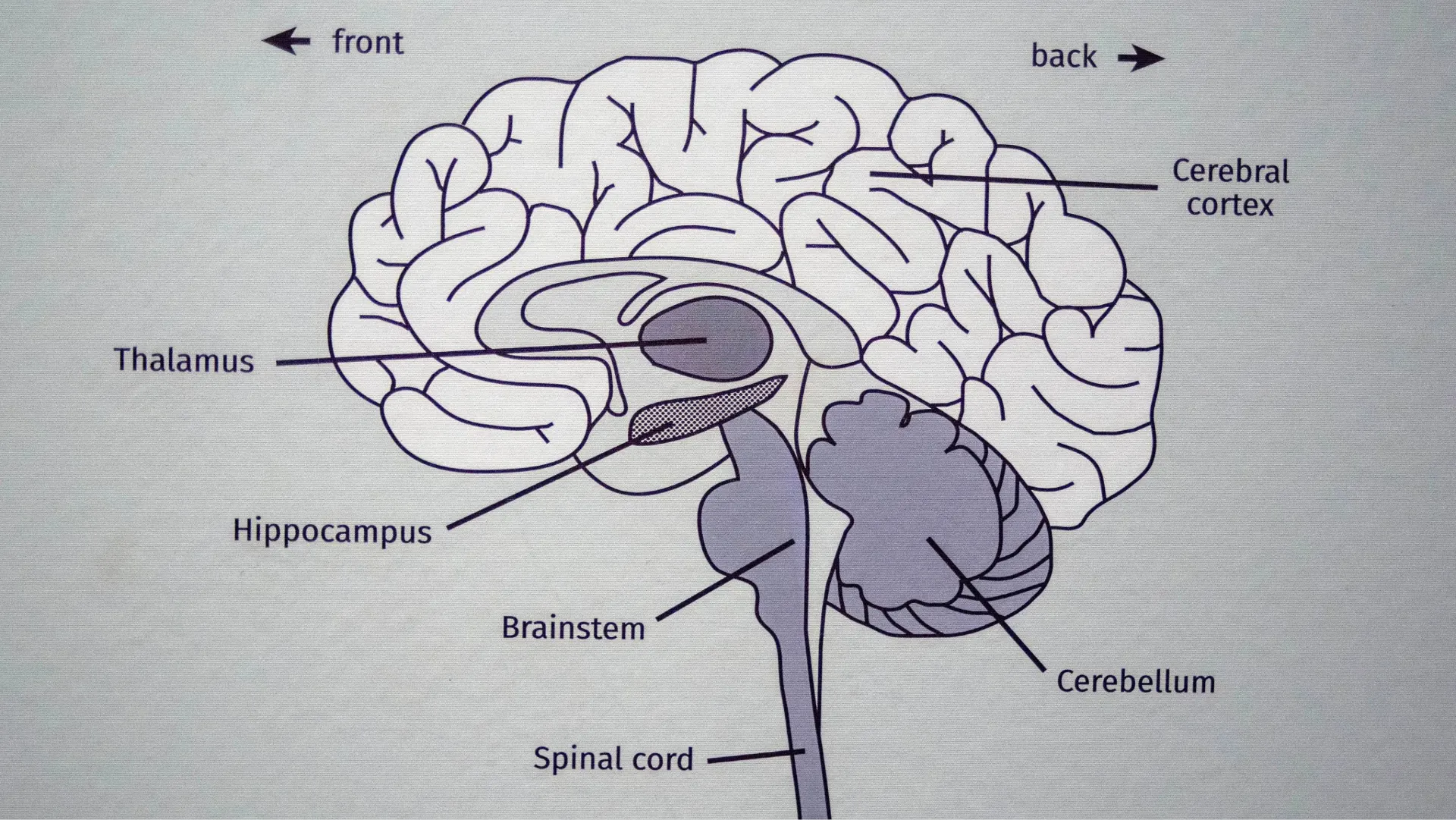
The most promising finding came when researchers reduced FTL1 levels in older mice. "It is truly a reversal of impairments," said Saul Villeda, PhD, associate director of the UCSF Bakar Aging Research Institute and senior author of the study published in Nature Aging. "It's much more than merely delaying or preventing symptoms." The treated mice showed increased connections between brain cells and significantly improved performance on memory tests, suggesting that brain aging might not be as permanent as once thought.
How FTL1 Disrupts Brain Function: The Metabolic Connection
Further investigation revealed how FTL1 damages the aging brain. The protein acts like a metabolic brake, slowing energy production within brain cells. When neurons can't generate sufficient energy, the delicate synaptic connections that enable learning and memory begin to break down. Nerve cells engineered to produce high amounts of FTL1 developed simplified structures, forming short, single extensions instead of the complex, branching networks seen in healthy cells.
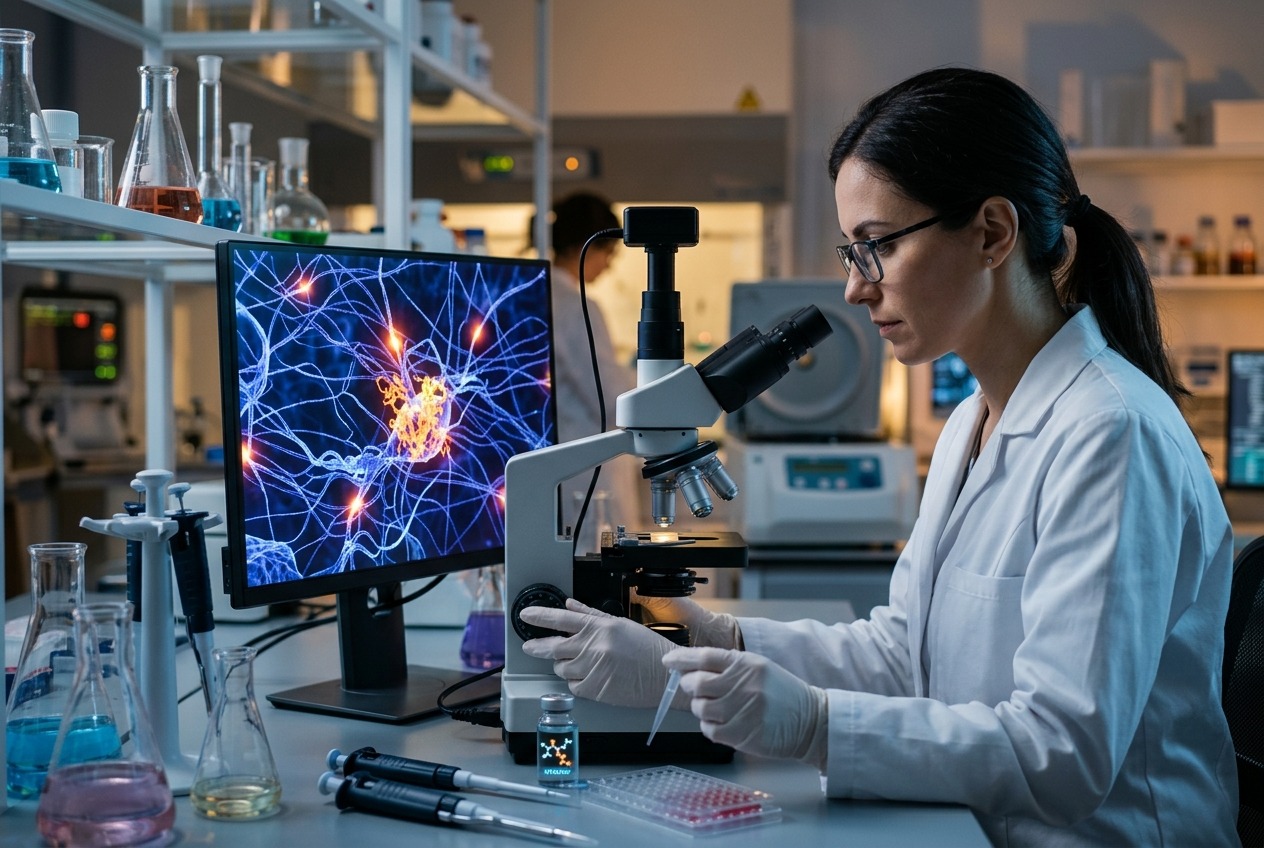
This metabolic connection provides a crucial clue for potential treatments. When researchers treated brain cells with compounds that boost metabolism, they prevented the negative effects of high FTL1 levels. "We're seeing more opportunities to alleviate the worst consequences of old age," Villeda noted. "It's a hopeful time to be working on the biology of aging."
Dietary Strategies to Slow Brain Aging
While pharmaceutical treatments targeting FTL1 may be years away, research suggests dietary interventions can already help slow brain aging. A study published in Clinical Nutrition found that a green-Mediterranean diet—rich in green tea and the aquatic plant Mankai—can reduce proteins associated with accelerated brain aging. Researchers analyzed data from 300 participants in the DIRECT PLUS trial over 18 months and found that those following the green-Mediterranean diet showed decreased levels of proteins linked to faster cognitive decline.

"Studying the circulating proteins in blood allows us to observe, in a real-life setting, how the brain's aging processes are influenced by lifestyle and dietary changes," explained Anat Meir, postdoctoral research fellow at Harvard Chan School who co-led the study. The researchers believe anti-inflammatory compounds in green tea and Mankai may help protect brain cells from age-related damage.
The Future of Brain Aging Research and Treatments
The FTL1 discovery represents a paradigm shift in how scientists understand cognitive aging. Rather than viewing memory decline as an inevitable consequence of time, researchers now see it as a potentially manageable biological process. Pharmaceutical companies are already exploring drugs that could target FTL1 or boost brain cell metabolism to counteract its effects.
Meanwhile, lifestyle interventions continue to show promise. Beyond specific diets, research consistently demonstrates that regular exercise, quality sleep, social engagement, and cognitive stimulation all contribute to maintaining brain health. The combination of pharmaceutical advances and lifestyle modifications could eventually make significant cognitive decline a rarity rather than an expectation of aging.
Key Takeaways for Maintaining Brain Health
While we await clinical applications of the FTL1 research, several evidence-based strategies can help support cognitive health:
- Follow a Mediterranean-style diet rich in vegetables, fruits, nuts, and healthy fats
- Consider incorporating green tea, which contains compounds that may protect against brain aging
- Engage in regular physical exercise to support brain blood flow and neurogenesis
- Challenge your brain with new learning experiences and cognitive activities
- Prioritize quality sleep, which is essential for memory consolidation and brain repair
- Maintain social connections, as loneliness and isolation can accelerate cognitive decline
The discovery of FTL1's role in brain aging offers more than just hope—it provides a concrete biological target for interventions. As research continues to unravel the mechanisms of cognitive aging, we're moving closer to a future where maintaining a sharp, vibrant mind throughout life becomes an achievable goal for everyone.