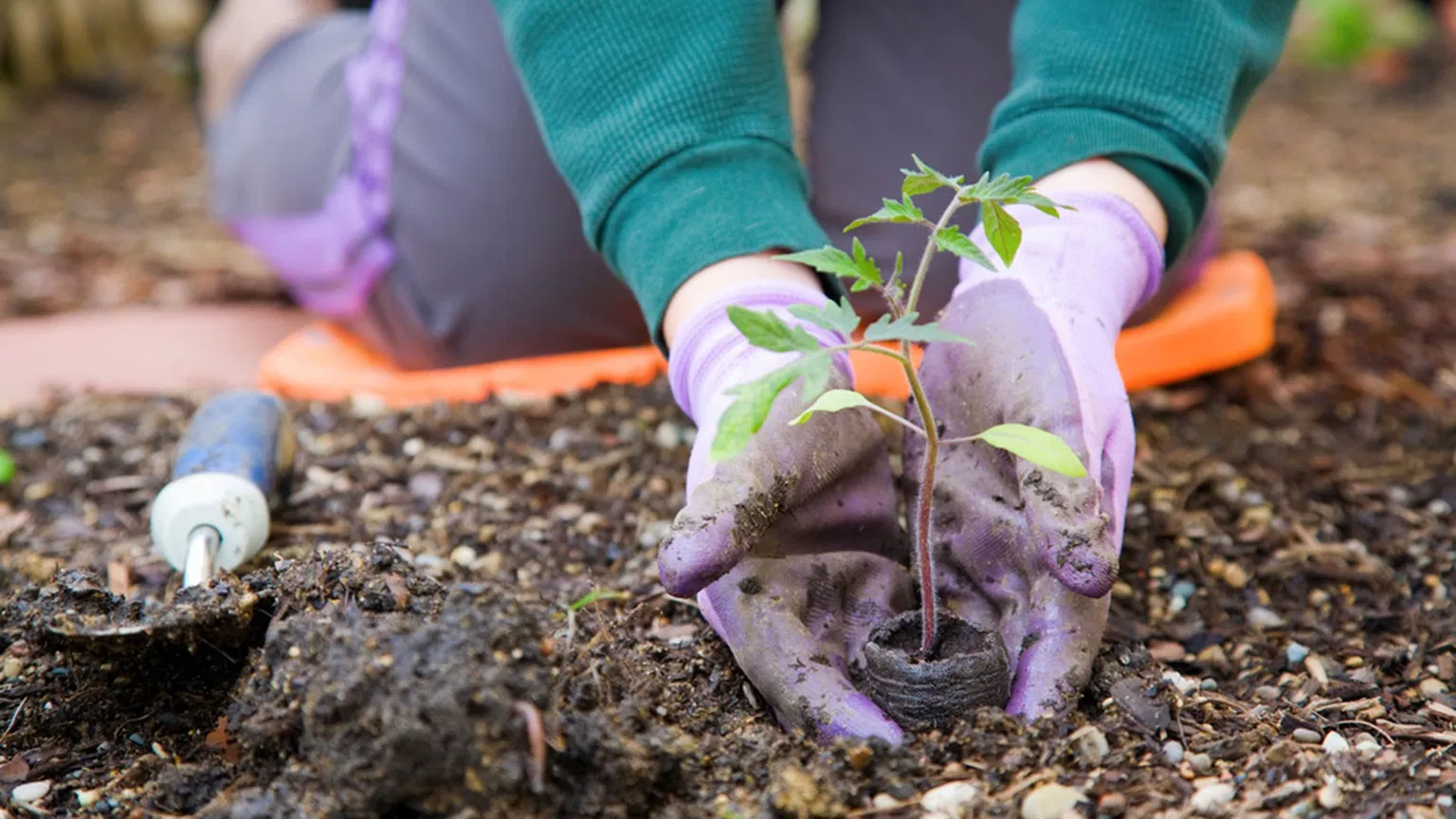
Spring is finally here, and for gardeners in Cincinnati and across the Midwest, it’s time to shake off the winter chill and prepare for a thriving growing season. With the last frost date typically falling between April 19 and 23 in the Cincinnati area, timing is everything when it comes to spring gardening. Whether you’re a seasoned green thumb or planting your first vegetable bed, understanding the essential tasks and planting schedules can mean the difference between a bountiful harvest and a disappointing season. This comprehensive guide draws on expert advice from university extensions and gardening authorities to provide you with a complete spring 2025 checklist tailored for Cincinnati’s unique climate.
The Essential Spring Gardening Checklist: What You Need to Do Now
Based on Utah State University Extension’s 2025 gardening checklist, there are several critical tasks that should be tackled as soon as the soil becomes workable. First and foremost, consider taking soil samples to determine fertilizer needs—this simple step can reveal nutrient deficiencies that might otherwise stunt your plants’ growth. Next, plant seeds of cool-season vegetables like peas, lettuce, and radishes as soon as the ground thaws. For peas, experts recommend planting every 2–3 weeks until early May to extend the harvest window. If you didn’t add organic matter to your vegetable garden in the fall, now is the time to do so; this helps build soil structure and improve water retention. Avoid tilling when the soil is wet or saturated to prevent compaction, which can choke plant roots and reduce yields. Consider starting a backyard compost pile or vermiculture (worm composting) system to recycle garden waste into nutrient‑rich amendments.
Other key tasks from the USU checklist include:
- Check stored bulbs for firmness and remove any soft or rotten ones.
- Plant bare‑root trees and shrubs, keeping the exposed roots moist until they’re in the ground.
- Remove protective trunk wrap and burlap from trees after the snow has melted.
- Fertilize spring‑flowering bulbs such as tulips, daffodils, and crocus.
- Plant cold‑hardy pansies and primrose for early color.
- Subscribe to pest advisories (e.g., Utah Pests IPM Advisories) for timely tips on controlling insects and diseases.
- Learn how to prune berries and fruit trees—attending a local extension pruning demonstration can be invaluable.
- Apply horticultural oils at bud break (delayed dormant) to control overwintering insect pests.
- Apply pre‑emergent herbicides in late March to mid‑April to control annual weeds like crabgrass.
- Sharpen lawn mower blades and set the cutting height to 2½–3 inches for the entire summer.
- Consider adding native fruiting species such as chokecherry, elderberry, serviceberry, or currant to your landscape.
Cincinnati Planting Calendar: When to Get Your Seeds in the Ground
Knowing your local frost dates is crucial for planting success. According to The Old Farmer’s Almanac, the average last spring frost in Cincinnati occurs around April 23 at the Lunken Airport climate station. Meanwhile, UF Seeds places Cincinnati in USDA Hardiness Zone 6 with a last frost date of April 19. These dates signal when it’s safe to plant tender crops, but cool‑season vegetables can go in much earlier. Here’s a quick timeline for Cincinnati gardeners:
- Early March: As soon as soil is workable, plant peas, lettuce, radishes, spinach, and other cold‑tolerant crops. Start seeds indoors for tomatoes, peppers, and eggplants.
- Late March to early April: Direct‑sow carrots, beets, and Swiss chard. Transplant onion sets and potato pieces.
- Mid‑April: Plant bare‑root trees and shrubs, keeping roots moist until they’re in the ground. Remove protective wraps from overwintered trees.
- Late April (after last frost): Transplant warm‑season crops like tomatoes, peppers, cucumbers, and squash. Direct‑seed beans, corn, and melons once soil temperatures reach 60°F.
This schedule aligns with Ohio’s gardening calendar, which notes that planting dates should be adjusted one week earlier for Zone 6b and one week later for Zone 5b.
Why These Tasks Matter: The Science Behind a Healthy Spring Garden
Each item on the spring checklist serves a specific purpose. Soil testing, for example, isn’t just about adding fertilizer—it helps you avoid over‑application, which can harm plants and pollute waterways. Adding organic matter improves soil tilth, encourages beneficial microbial activity, and increases the soil’s ability to hold moisture. Planting cool‑season crops early takes advantage of cool temperatures that these plants prefer, reducing the risk of bolting (premature flowering) that can occur in warmer weather. Succession planting of peas every few weeks ensures a steady supply of fresh pods rather than a single overwhelming harvest.
Pruning fruit trees and berries in early spring removes dead or diseased wood and shapes the plant for better air circulation, which reduces fungal diseases. Applying horticultural oils at bud break smothers overwintering insect eggs, cutting down on pest populations without resorting to harsh chemicals. Pre‑emergent herbicides applied in late March to mid‑April target weed seeds before they germinate, giving your desired plants a head start. And setting your mower blade higher (2½–3 inches) promotes deeper root growth, which helps lawns withstand summer heat and drought.
Integrating native fruiting species, as recommended by USU Extension, supports local pollinators and birds while often requiring less water and fertilizer than non‑native ornamentals. This practice is part of the broader regenerative gardening trend that focuses on building soil health and enhancing ecosystem services.
Spring 2025 Gardening Trends: What’s New This Season
This year, gardeners are embracing regenerative gardening practices that focus on soil health and ecosystem support. According to Structure Landscapes’ 2025 spring checklist, assessing garden space, integrating compost, and selecting seasonal varieties are top priorities. Meanwhile, Evergreen of JC emphasizes five vital tasks: cleaning and assessing the garden, gathering essential supplies, choosing the best plants for spring growth, protecting the garden with mulch and pest control, and planning for succession planting.
Other trends highlighted by gardening pros include:
- Regenerative gardening – replenishing soil organic matter, minimizing disturbance, and supporting biodiversity.
- Native plant gardening – using plants adapted to local conditions to reduce water and chemical inputs.
- Vermiculture (worm composting) – turning kitchen scraps into nutrient‑rich castings.
- Climate‑resilient practices – selecting drought‑tolerant varieties and installing rain barrels.
- Edible landscapes – integrating food‑producing plants into ornamental beds.
These trends reflect a broader shift toward sustainable, low‑input gardening that works with nature rather than against it.
Maintaining Your Garden Through the Season: A Roadmap for Success
After the initial spring rush, your garden will need ongoing care. Keep an eye on soil moisture—spring rains can be unpredictable, and newly planted seeds need consistent moisture to germinate. As temperatures rise, mulch around plants to conserve water and suppress weeds. Monitor for pests and diseases; early detection makes management much easier. Continue planting successive crops of fast‑maturing vegetables like radishes and lettuce to keep your harvest going into summer. And don’t forget to sharpen your mower blades and set the cutting height to 2½–3 inches; a well‑maintained lawn supports a healthy garden ecosystem.
If you encounter problems such as damping‑off (a fungal disease that attacks seedlings), aspen leaf spot, or anthracnose, refer to the Utah Home Orchard Pest Management Guide or your local extension office for specific control measures. Many issues can be prevented simply by following good cultural practices: proper spacing, crop rotation, and avoiding overhead watering.
Key Takeaways for a Productive Spring Garden
To wrap up, here are the most important points to remember:
- Test your soil and add organic matter before planting.
- Get cool‑season crops in the ground as soon as the soil is workable.
- Follow Cincinnati’s planting calendar, aiming for a last frost date around April 19–23.
- Practice succession planting for peas and other quick‑growing vegetables.
- Prune fruit trees and apply horticultural oils to manage pests.
- Embrace regenerative practices like composting and mulching to build soil health.
- Incorporate native fruiting species to support local wildlife and reduce maintenance.
- Stay informed about spring 2025 gardening trends, such as regenerative gardening and vermiculture, to keep your garden both productive and sustainable.
By following this expert‑backed checklist and adapting it to your own garden’s conditions, you’ll be well on your way to a vibrant, productive spring season. Happy gardening!