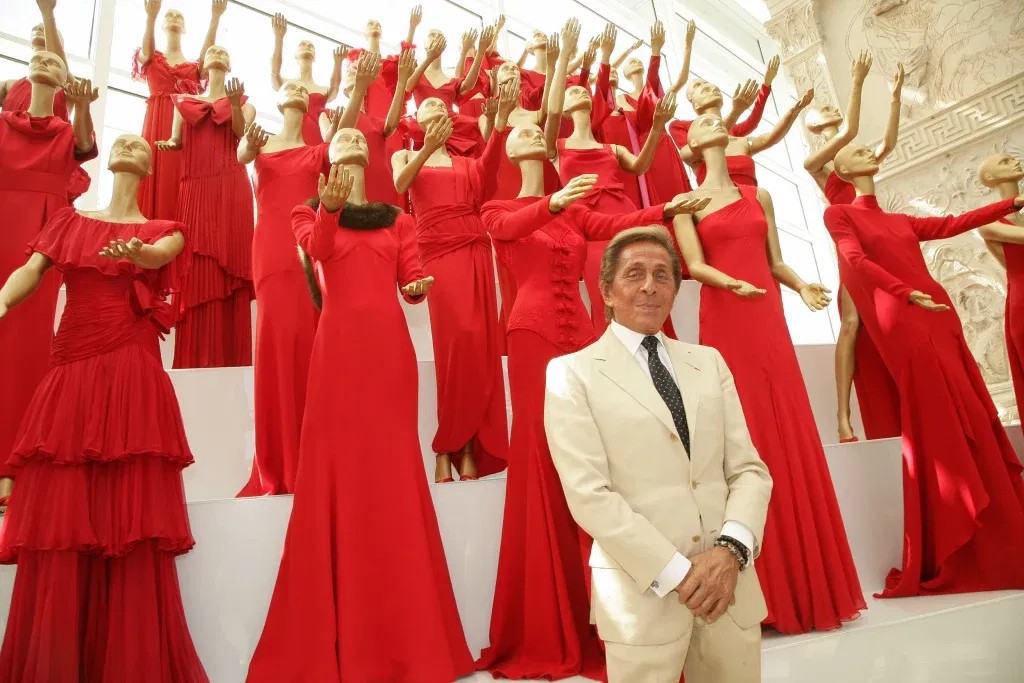
The fashion world mourns the loss of Valentino Garavani, who died at 93 on January 19, 2026, but his legacy as one of the most influential designers of the 20th century continues to shape modern luxury. Known simply as Valentino, the Italian couturier built an empire synonymous with elegance, craftsmanship, and a signature shade of red that transformed the way women dress for glamorous occasions. Beyond the headlines of his passing lies a deeper story about how a designer's philosophy can create timeless fashion that transcends trends and generations.
The Architect of Modern Glamour: How Valentino Redefined Luxury Fashion
Valentino Garavani didn't just design clothes; he crafted an entire aesthetic universe where beauty, femininity, and opulence reigned supreme. According to Vogue, his exacting pattern-making, signature poppy red, and eye for feminine details like bows, ruffles, lace, and embroidery made him one of the key architects of late 20th-century glamour. His "Val's Gals" included Elizabeth Taylor, Audrey Hepburn, Sophia Loren, and a roster of first ladies and royalty who relied on his designs to project both power and grace.
What set Valentino apart was his unwavering focus on making women feel beautiful. "I know what women want," he famously said in a 2009 documentary. "They want to be beautiful." This simple yet profound philosophy guided his nearly half-century career, during which he dressed everyone from Jackie Kennedy Onassis to Julia Roberts and Gwyneth Paltrow. As the BBC reported, his creations became the go-to choice for red-carpet moments, with Roberts wearing a vintage black and white Valentino gown to accept her Best Actress Oscar in 2001.
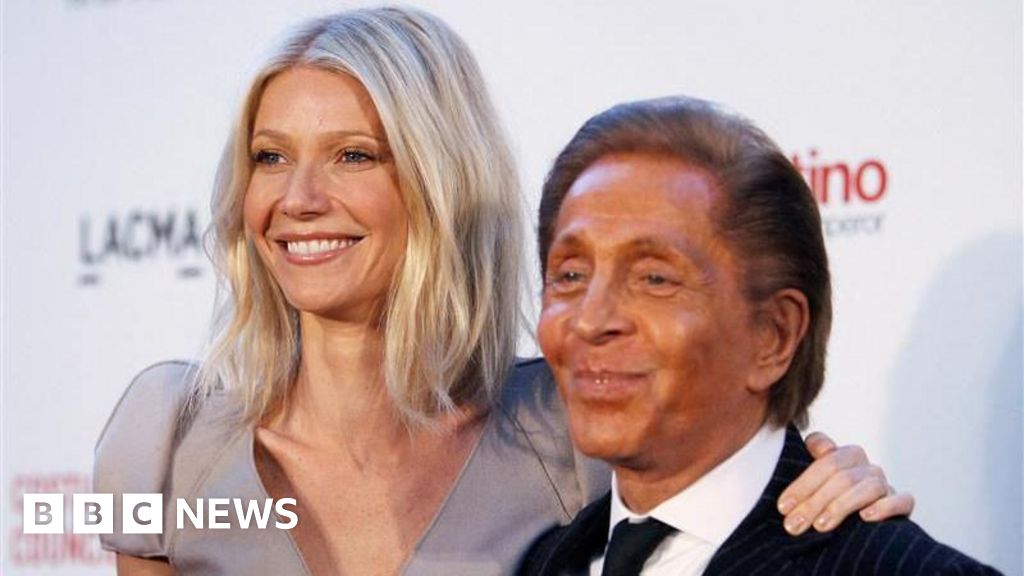
Valentino's designs were never about edginess or statement dressing; they were about fail-safe elegance that made women look and feel their best. As former British Vogue editor Alexandra Shulman told the BBC, "He really didn't care that much that he wasn't the most fashionable, the most cutting-edge designer, he just wanted to produce clothes that were beautiful – and they were." This commitment to beauty over trends created a loyal clientele that spanned generations, from Jacqueline Kennedy in the 1960s to Jennifer Lopez in the 2000s.
From Rome to the World: Key Moments in Valentino's Fashion Empire
Valentino's journey began in 1959 when he founded his maison on Rome's Via Condotti, backed by his father and a family friend. After studying fashion in Paris and working under designers Jean Dessès and Guy Laroche, he returned to Italy with a vision of modern couture that blended French technique with Italian sensuality. The brand's breakthrough came quickly with the 1959 "La Fiesta" dress – a bright red tulle creation that would become the first of many iconic red dresses.
The 1968 "All White" couture collection cemented Valentino's status as a fashion force. Vogue declared it "the talk of Europe," praising "the cleanliness and distinction of his crisp whites, his lacy whites, his soft and creamy whites, all shown together white on white." This collection showcased his mastery of craftsmanship and established him as a symbol of modern luxury for the jet-set era.
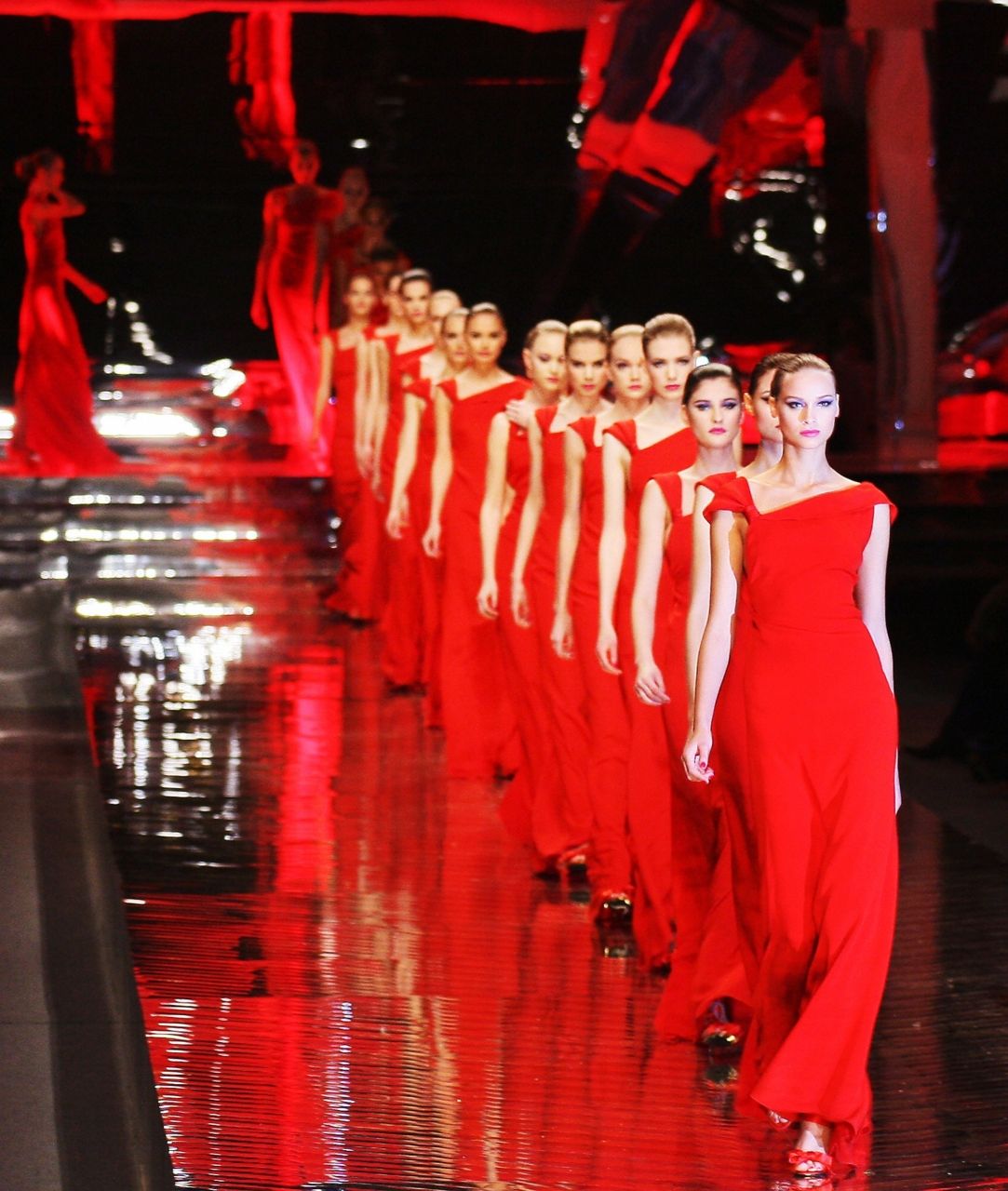
Business soared in the 1980s, with Valentino becoming Italy's top fashion exporter by 1986, shipping approximately $385 million worth of designs according to Vogue. His retirement in 2008 was marked by a three-day extravaganza in Rome and a final haute couture collection where every model wore red – a powerful tribute to the color that defined his career. Throughout these decades, Valentino maintained his position alongside Giorgio Armani and Karl Lagerfeld as one of the last great designers from fashion's golden age.
Why Valentino's Elegance Endures: The Science of Timeless Design
Valentino's lasting influence can be attributed to three core principles that guided his brand: elegance, craftsmanship, and timelessness. As explained in Bounty Canarias' analysis, these values were embedded in every piece, from haute couture gowns to ready-to-wear accessories.
Elegance for Valentino meant more than just looking polished – it was about creating designs that enhanced the wearer's individuality while maintaining a refined aesthetic. His clothes merged romantic and modern elements, resulting in sophisticated pieces that worked for both royal weddings and Hollywood premieres. This versatility ensured his designs remained relevant across changing social contexts.
Craftsmanship was non-negotiable. Valentino upheld the art of Italian craftsmanship with meticulous attention to detail, from material selection to construction techniques. The brand's haute couture line continues to be handmade by approximately 60 specialized seamstresses in Rome's Palazzo Mignanelli, preserving the artisanal traditions that define true luxury.
Timelessness represents perhaps Valentino's greatest achievement. By focusing on classic silhouettes and quality materials rather than fleeting trends, he created pieces that women could wear for decades. This approach is evident in the longevity of his signature red dress, which has remained essentially unchanged in its appeal since 1959. As GLAM OBSERVER notes, Valentino included a red dress in every collection throughout his career, making the color "a non-fading mark, a logo, an iconic element of the brand."
Valentino Today: How the Brand Evolves While Honoring Its Heritage
Following Valentino's retirement and subsequent passing, the brand has continued to thrive under new creative leadership while maintaining its core identity. Since 2012, Valentino S.p.A. has been controlled by Mayhoola for Investments LLC, which has helped expand the brand's global presence while preserving its Italian heritage.
Creative director Pierpaolo Piccioli, who took the helm in 2016 after co-leading with Maria Grazia Chiuri, has successfully balanced innovation with tradition. As described in Bounty Canarias' profile, Piccioli's design ethos is grounded in emotion and the human touch, creating collections that "tell a story" while staying true to Valentino's romantic, modern aesthetic. Under his direction, the brand has introduced contemporary icons like the Rockstud and Locò bags while continuing to produce the signature red dresses that define the house.
The brand has also embraced sustainability and social responsibility, implementing transparent procedures to reduce environmental impact and engaging in community mentorship programs. This forward-thinking approach ensures Valentino remains relevant in a fashion industry increasingly focused on ethical production and conscious consumption.
The Future of Valentino: Carrying the Torch of Italian Craftsmanship
As the fashion world looks ahead, Valentino's legacy provides a blueprint for how luxury brands can evolve without losing their soul. The brand's success demonstrates that timeless design principles – elegance, craftsmanship, and emotional resonance – can transcend individual designers and create enduring value.
Industry experts predict that Valentino will continue to influence fashion through its commitment to Italian craftsmanship and its ability to adapt to changing consumer values. The recent focus on sustainability and digital innovation suggests the brand is well-positioned for the future, while its archive of iconic designs ensures its historical significance will only grow.
Perhaps most importantly, Valentino's philosophy that fashion should make women feel beautiful rather than just look fashionable remains as relevant today as it was in 1959. In an era of fast fashion and disposable trends, the Valentino approach offers a compelling alternative: invest in pieces that tell a story, celebrate craftsmanship, and stand the test of time.
Key Lessons from Valentino's Fashion Legacy
Valentino Garavani's remarkable career offers several enduring lessons for designers, brands, and fashion enthusiasts:
- Focus on timelessness over trends: By prioritizing classic elegance over fleeting fashion, Valentino created pieces that remained desirable for decades.
- Master a signature element: The "Valentino Red" became so iconic that it essentially functioned as a brand logo, creating instant recognition and emotional connection.
- Understand your customer's deepest desire: Valentino's insight that women "want to be beautiful" guided every design decision and created loyal clients across generations.
- Preserve craftsmanship: The brand's commitment to artisanal techniques ensured quality that mass production cannot replicate, justifying its luxury positioning.
- Evolve while honoring heritage: Successful transition to new creative leadership demonstrates how brands can refresh their identity without abandoning what made them great.
As the fashion industry continues to evolve, Valentino's legacy serves as a powerful reminder that true luxury isn't about price tags or exclusivity – it's about creating beauty that endures, craftsmanship that matters, and designs that make people feel truly special. That, perhaps, is the most valuable lesson from the man who dressed emperors, princesses, and movie stars, yet always remembered that fashion's ultimate purpose is to celebrate the beauty in everyone.