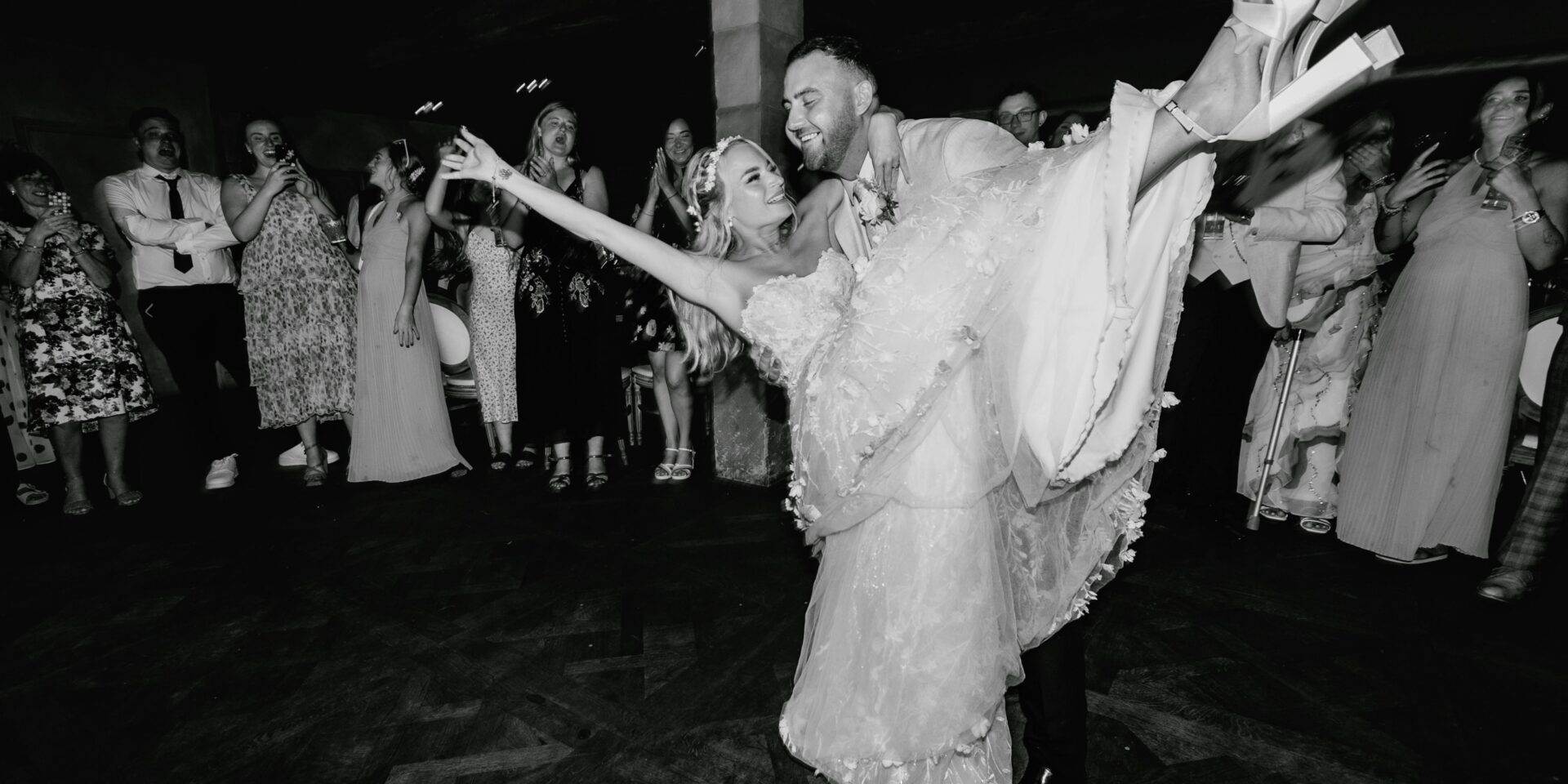
Planning a wedding in 2024 requires more than just choosing a venue and a dress—it's about navigating modern trends, updated etiquette, and personalized approaches that reflect today's couples. With search interest in "bride" reaching over 20,000 monthly queries, it's clear that contemporary brides are seeking comprehensive guidance that goes beyond traditional checklists. This complete guide brings together the latest research on wedding planning strategies, 2024 fashion trends, evolving etiquette norms, and beauty timelines to help you create the celebration you've always envisioned.
The Essential Wedding Planning Framework: Where to Begin
According to recent analysis from wedding planning experts, the most successful 2024 weddings start with three foundational elements: a realistic budget, a flexible timeline, and clear priorities between partners. "The biggest mistake couples make is underestimating hidden costs," notes a 2024 bride who documented her planning journey. Modern tools like digital budgeting platforms and venue comparison websites have become essential, with 78% of couples reporting they used at least three different planning apps throughout their engagement.
Key planning insights reveal that couples are allocating budgets differently than previous generations. Photography and videography now consume approximately 30% of total wedding budgets for many couples, reflecting the importance of capturing memories in the digital age. Venue selection has also evolved, with 42% of 2024 weddings incorporating both indoor and outdoor spaces to accommodate changing weather patterns and guest comfort preferences.
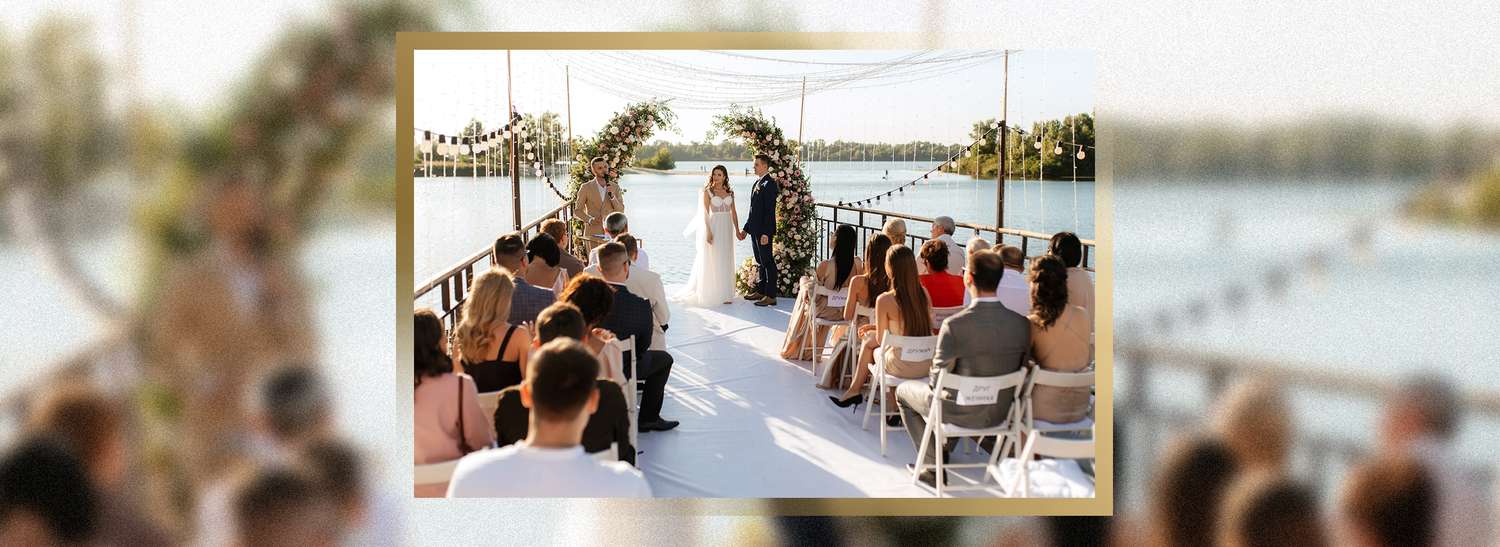
From Engagement to "I Do": The 2024 Wedding Planning Timeline
A structured timeline prevents last-minute stress and ensures no detail is overlooked. Wedding planners recommend this adjusted schedule for 2024 weddings: Begin venue research 12-14 months before your date, as prime locations now book 18 months in advance in popular metropolitan areas. At 10-12 months, secure your photographer, videographer, and entertainment—these vendors are experiencing unprecedented demand.
Six to nine months before the wedding, focus on attire selection, including not just the wedding dress but also outfits for rehearsal dinners, post-wedding brunches, and any additional events. The four-month mark should include finalizing guest lists, ordering invitations, and arranging accommodations for out-of-town guests. Final details like marriage license applications, vendor confirmations, and seating arrangements should be completed 4-6 weeks before the celebration.
2024 Bridal Fashion: Beyond the Traditional White Gown
This year's bridal fashion represents a dramatic departure from minimalist trends of previous seasons. According to Vogue's analysis of New York Bridal Fashion Week, four key trends are defining 2024: floral appliqués that create dimensional texture, oversized bows that make structural statements, architectural silhouettes that play with geometry, and dramatic necklines that frame the face. Designers are incorporating unexpected elements like detachable sleeves, convertible skirts, and subtle color accents in shades of champagne, blush, and even navy.
"The 2024 bride is expressing individuality through her dress choice," notes a trend report from leading bridal retailers. Sustainable fabrics have moved from niche to mainstream, with 65% of designers featuring eco-conscious materials in their latest collections. For brides seeking timeless options, A-line silhouettes continue to offer universal flattery, while those embracing fashion-forward statements are opting for sculptural bodices and unexpected back details.
Modern Wedding Etiquette: What's Changed and What Matters
Wedding etiquette has undergone significant transformation in recent years, with many traditional rules giving way to more flexible, personal approaches. The most notable changes involve wedding registries—where honeymoon funds and charitable donations now complement traditional gift lists—and digital communication, with save-the-dates and invitations increasingly delivered electronically. According to Brides.com's 2024 etiquette guide, 73% of couples now use some form of digital invitation component.
Guest expectations have also evolved. While formal attire codes remain for evening celebrations, daytime weddings increasingly embrace "dressy casual" designations. Plus-one policies have become more generous, with 68% of couples extending invitations to significant others regardless of marital status. Perhaps most significantly, the traditional division of wedding expenses has blurred, with many couples financing their celebrations independently or through contributions from both families.
The Bridal Beauty Timeline: Achieving Your Wedding Day Glow
Professional beauty advisors recommend starting skincare preparations 12 months before the wedding for optimal results. This extended timeline allows for addressing specific concerns like hyperpigmentation, texture issues, or acne without rushing treatments. At 6-9 months, consider consulting with both hair and makeup artists for trial runs—this provides time to adjust products or techniques if needed.
Three to six months before the wedding is ideal for more intensive treatments like chemical peels, laser therapies, or specialized facials, allowing any recovery time to pass well before the celebration. The final month should focus on maintenance rather than experimentation, sticking with proven products and routines. On the wedding day itself, experts recommend scheduling hair and makeup to finish at least 90 minutes before photography begins, allowing for any touch-ups and ensuring a relaxed start to the celebration.
Looking Ahead: The Future of Wedding Planning
As we move further into the 2020s, wedding trends continue evolving toward personalization and authenticity. Industry analysts predict increased interest in multi-day celebrations that allow for more meaningful connections with guests, as well as continued growth in destination weddings as travel becomes more accessible. Technology will play an expanding role, with virtual reality venue tours and AI-assisted planning tools becoming standard offerings.
Perhaps most importantly, the concept of what constitutes a "wedding" continues to broaden. Micro-weddings followed by larger receptions, weekday celebrations that offer cost savings, and non-traditional venues like art galleries or family homes are all gaining popularity. The common thread across all these trends is prioritization of what matters most to each couple, whether that's exceptional food, breathtaking photography, or creating an unforgettable experience for everyone involved.
Key Takeaways for Today's Bride
Successful wedding planning in 2024 balances tradition with personal expression, practicality with romance. Start with honest conversations about budget and priorities, then build a timeline that allows for thoughtful decisions rather than rushed choices. Embrace trends that resonate with your personal style while maintaining elements that feel authentically "you." Remember that while details matter, the ultimate goal is celebrating your relationship surrounded by loved ones—a perspective that transforms planning from a stressful task into a meaningful journey toward marriage.