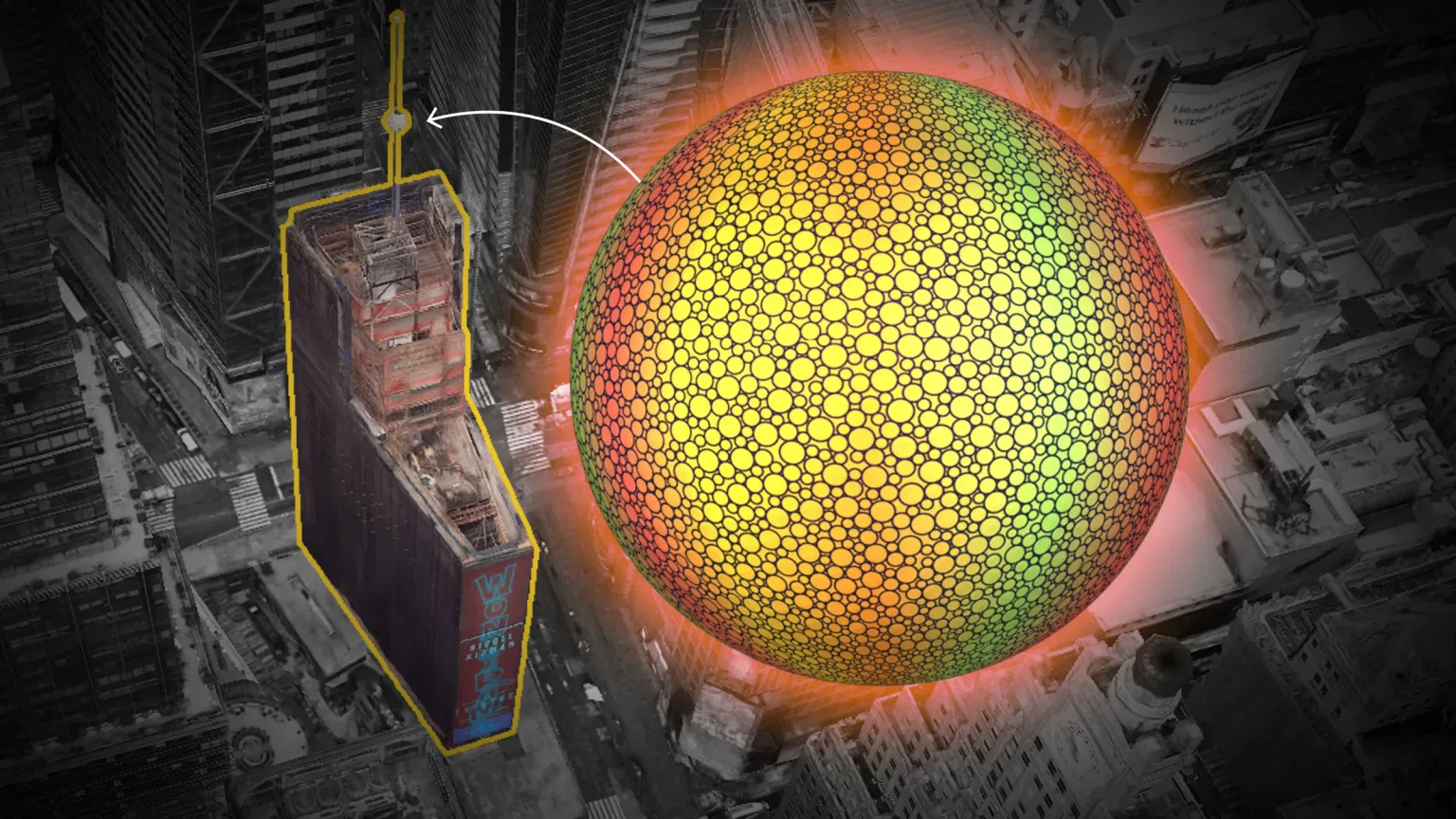
As millions around the world prepare to watch the iconic ball drop in Times Square to ring in 2026, this year's celebration carries special significance. For the first time in its 120-year history, the Times Square ball will descend not once but twice—first on New Year's Eve, then again on July 4 to mark America's 250th birthday. But how does this beloved tradition actually work? From its nautical origins to the high-tech engineering of the new Constellation Ball, here's everything you need to understand about one of the world's most watched New Year's rituals.
How the Constellation Ball Works: Inside the Technology of Times Square's Newest Marvel
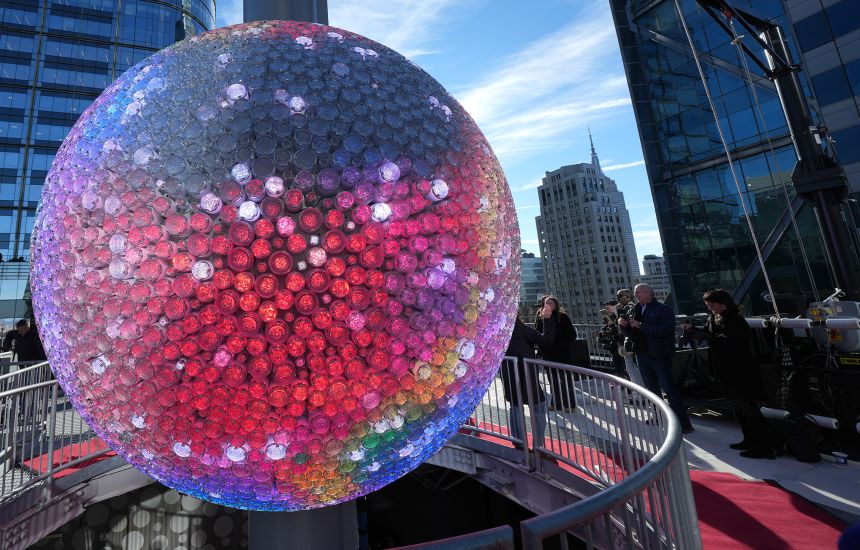
The centerpiece of the 2026 celebration is the Constellation Ball, the ninth and largest version in Times Square history. Measuring 12.5 feet in diameter and weighing 12,350 pounds, this engineering marvel represents a significant upgrade from previous designs. What makes it truly spectacular are the 5,280 Waterford crystals arranged in three different sizes—1.5-inch, 3-inch, and 4-inch diameters—each featuring unique designs celebrating "infinite joy," "infinite light," and "infinite beginnings."
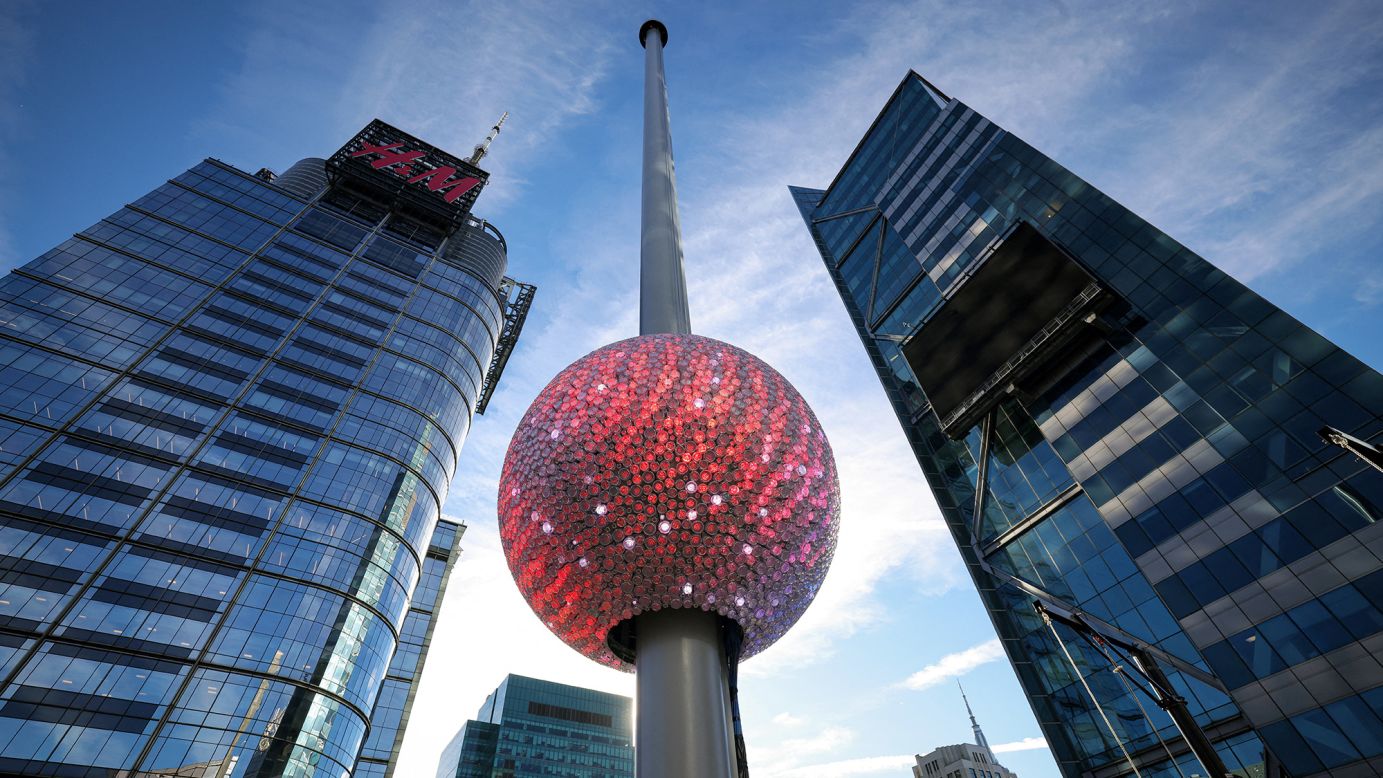
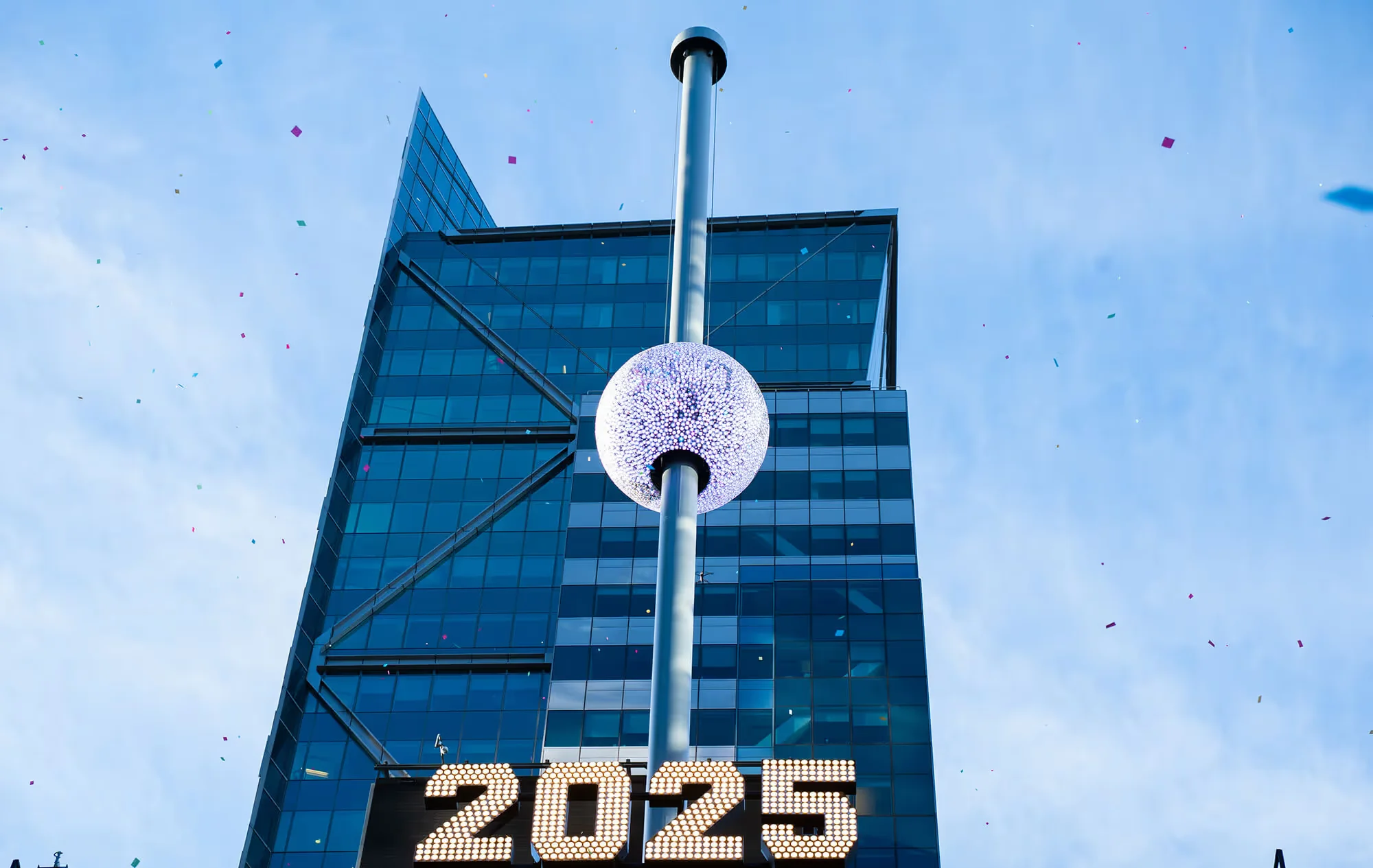
Unlike the triangular crystals used since 1999, the Constellation Ball features circular crystals that allow for greater surface coverage and evoke celestial bodies. Behind each crystal sits an LED light puck, creating a dazzling display that can generate over 16 million colors. The ball's state-of-the-art lighting, motion, and control system includes real-time audio capabilities that create reactive designs based on music or other audio input. At 11:59 p.m. on December 31, this technological masterpiece begins its 60-second descent down a 139-foot pole atop One Times Square, reaching the base precisely at midnight.
From 1907 to 2026: The Evolution of the Times Square Ball Drop
The tradition began modestly in 1907 when New York Times publisher Adolph Ochs needed a replacement for the fireworks display that had been banned after just two years. He commissioned young immigrant metalworker Jacob Starr to create a 5-foot diameter ball made of iron and wood, adorned with 100 25-watt light bulbs. Weighing 700 pounds, this first ball was lowered by hand using a complex pulley system as crowds counted down the final minute of the year.
Over the decades, the ball has undergone seven major redesigns. In 1920, wrought iron replaced the original materials. In 1955, aluminum reduced the weight to just 150 pounds. During the 1980s, red light bulbs and a green stem transformed the ball into an apple for the "I Love New York" campaign. The current crystal era began in 1999, with significant technological upgrades in 2007 (LED lighting) and 2025 (the Constellation Ball). The only years without a ball drop were 1942 and 1943 during World War II's "dimout," when crowds instead observed a moment of silence followed by chimes.
Why Time Balls? The Nautical Origins Behind New Year's Eve Tradition
The concept of a descending ball marking time dates back long before Times Square existed. In 1833, England's Royal Observatory at Greenwich installed the first "time-ball" that would drop at 1 p.m. daily, allowing ship captains in the Thames to precisely set their chronometers—vital navigation instruments. Approximately 150 public time-balls were installed worldwide throughout the 19th century, though few survive today.
This maritime tradition inspired both Ochs and his chief electrician Walter Palmer, who reportedly saw the Western Union Building's noon time-ball drop in lower Manhattan. Starr's granddaughter Tama Starr, who served as foreperson of the ball drop for years, believes her grandfather conceived the idea of lowering an illuminated ball at midnight. "It was an adaptation of an old, useful thing," she recalled. "It was instantly popular. People just loved it." The tradition continues today at the United States Naval Observatory in Washington, D.C., where a time-ball descends daily at noon, and of course each New Year's Eve in Times Square for over one billion viewers worldwide.
2026's Historic Double Drop: Celebrating America's 250th Birthday
What makes 2026 particularly special is the planned second descent on July 3, the eve of America's 250th birthday. This marks the first time in 120 years that the Times Square ball will drop on a date other than New Year's Eve. The Constellation Ball will be relit in red, white, and blue at 12:04 a.m. on January 1, 2026, signaling the start of the America250 celebration—a year-long commemoration of the nation's semiquincentennial.
"America250 will kick off the semiquincentennial year on New Year's Eve in Times Square—the most watched celebration on the planet—signaling that the largest and most inspiring celebration and commemoration in our nation's history is underway in 2026," said Rosie Rios, chair of America250. The organization has planned hundreds of events nationwide, from large fireworks displays to community potluck suppers, student contests, and oral history projects.
Beyond the Ball Drop: How the Tradition Continues to Evolve
Today's ball drop incorporates numerous supporting traditions that have developed over decades. More than one ton of confetti rains down on Times Square at midnight, with pieces bearing handwritten wishes from visitors in the days leading up to New Year's Eve. Waiters in nearby restaurants once wore battery-powered top hats displaying the new year's numerals that illuminated at midnight—a tradition from the very first ball drop in 1907.
Modern innovations include public participation opportunities never before available. For the first time in 2025, members of the public helped unscrew crystals from the old ball and replace them with new ones, keeping the retired triangles as souvenirs. Tickets are now available for access to the ball viewing deck 20 floors up One Times Square, where visitors can purchase crystal gifts and experience a bird's-eye view of Times Square.
Key Facts About the Times Square Ball Drop
• First drop: December 31, 1907
• Current ball: Constellation Ball (9th version), introduced 2025
• Dimensions: 12.5 feet diameter, 12,350 pounds
• Crystals: 5,280 Waterford crystals in three sizes
• Descent time: 60 seconds down 139-foot pole
• 2026 special: Double drop—New Year's Eve and July 3
• Global audience: Over 1 billion viewers worldwide
• In-person attendance: Approximately 1 million spectators in Times Square
From its humble beginnings as a 700-pound iron and wood sphere to today's technologically advanced crystal marvel, the Times Square ball drop represents more than just counting down to midnight. It's a living tradition that connects us to maritime history, showcases engineering innovation, and brings people together across generations and borders. As the Constellation Ball prepares for its historic double descent in 2026, it continues to symbolize hope, unity, and the eternal optimism of new beginnings.