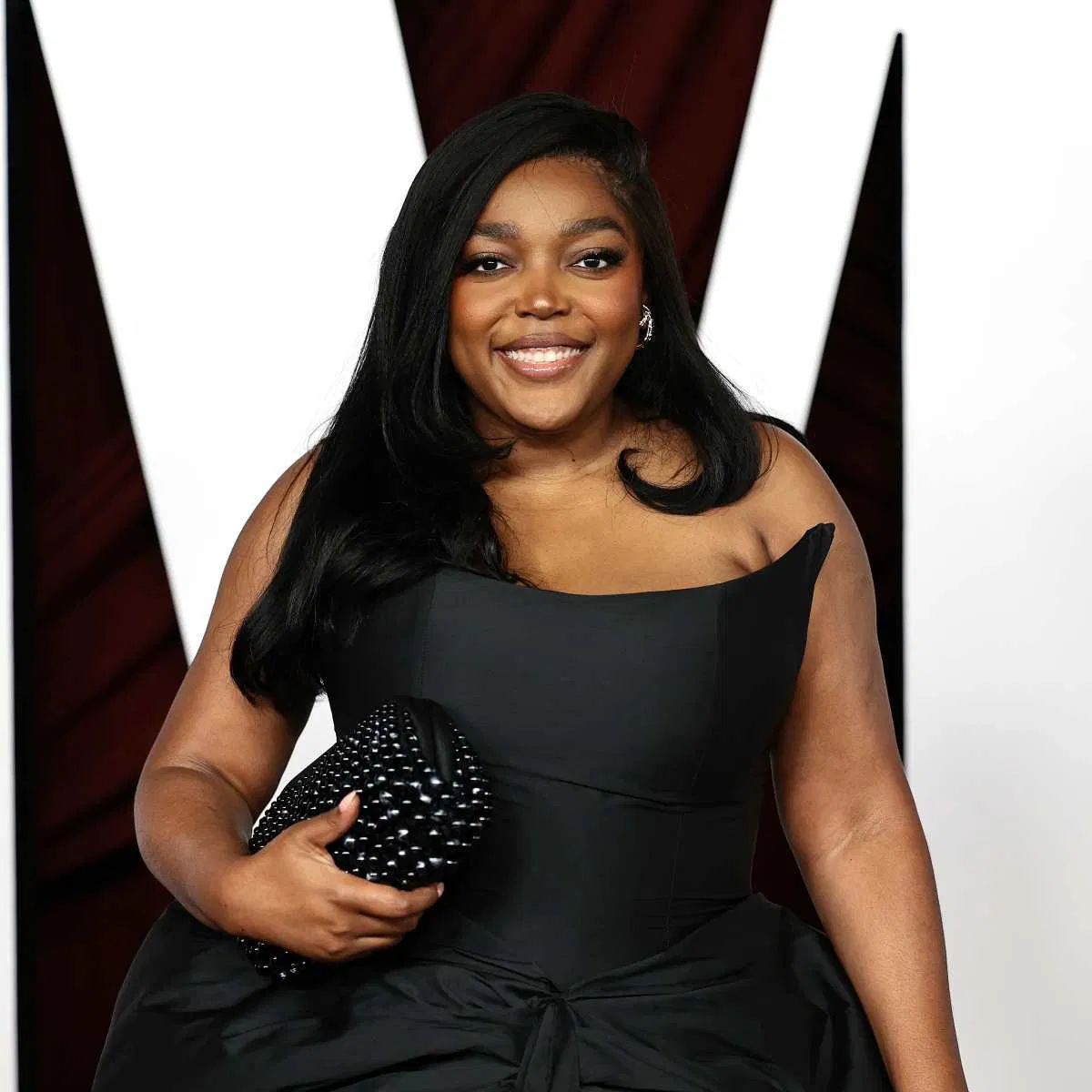
The fashion world was shaken in early March 2026 when Hanifa, the innovative Black-owned luxury brand known for its groundbreaking 3D digital fashion shows and inclusive designs, announced it was pausing all production indefinitely. Founded by designer Anifa Mvuemba in 2012, Hanifa had risen from a small direct-to-consumer label to a celebrity-favorite brand worn by Beyoncé, Michelle Obama, and Zendaya. The decision to halt production came after months of customer complaints about delayed shipments, pre-order fulfillment struggles, and growing operational pressures that ultimately led founder Anifa Mvuemba to send a candid open letter to customers stating, "We're pressing pause. The last season stretched us in ways I'm still processing."
How Hanifa Revolutionized Fashion with Digital Innovation
Hanifa's journey to fashion prominence is a story of digital innovation and visionary design. The brand first captured global attention in May 2020 when founder Anifa Mvuemba staged a completely virtual 3D fashion show on Instagram Live, featuring ghost-like models wearing digital renderings of her Pink Label Congo collection. At a time when the pandemic had shut down traditional fashion shows, Hanifa's innovative approach demonstrated how technology could transform fashion presentations. According to Teen Vogue, the show "just changed the game" for digital fashion, while Fast Company called it "haunting, beautiful, and brilliantly executed." This digital breakthrough established Hanifa as a forward-thinking brand that combined traditional craftsmanship with cutting-edge technology.
From Humble Beginnings to Fashion Empire: The Hanifa Timeline
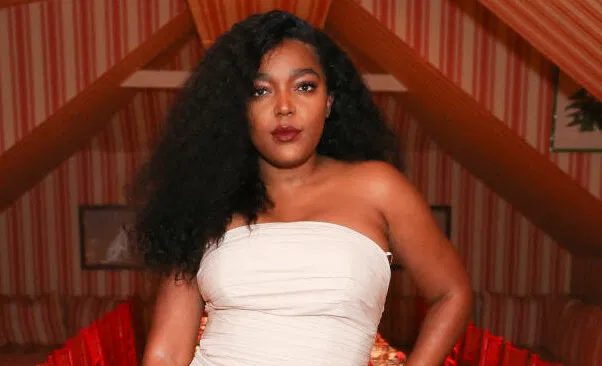
Anifa Mvuemba's path to founding Hanifa began in Nairobi, Kenya, where she was born to Congolese parents before immigrating to the United States at age three. As documented by Wikipedia, Mvuemba first discovered fashion by watching her mother get dressed each morning and began designing garments after taking a fashion design course in high school. She launched Hanifa in 2012 at age 21 after posting a photo of a dress she made from fabric scraps on Instagram. The brand grew steadily through social media, with Mvuemba teaching herself technical sewing skills by watching YouTube videos and learning from her seamstress aunt. Key milestones include her first in-person fashion show "Hanifa Dream" at Washington D.C.'s National Portrait Gallery in 2021, being named a CFDA/Vogue Fashion Fund awardee the same year, and dressing numerous celebrities who helped amplify the brand's visibility.
Why Hanifa Paused Production: Understanding the Challenges
The decision to pause production didn't happen overnight but resulted from mounting pressures that many direct-to-consumer fashion brands face. According to multiple reports from The Root, Essence, and Black Enterprise, Hanifa began experiencing significant customer complaints in late 2025 following a problematic pre-order sale. Customers reported waiting months for orders that never arrived, while others expressed frustration about inconsistent communication from the brand. The situation escalated on social media, where disappointed customers shared their experiences, creating a wave of backlash that ultimately led Mvuemba to make the difficult decision to pause operations. Industry analysts note that Hanifa's challenges reflect broader issues faced by independent Black-owned fashion brands that often operate with limited resources while facing disproportionate scrutiny and expectations.
Where Things Stand Now: The Current Status of Hanifa
As of March 2026, Hanifa has ceased all production and will not be restocking any items indefinitely. According to The Cut's exclusive reporting, Mvuemba made the announcement through both an email to customers and a statement to the publication, noting there is no specific timeline for when production might resume. The brand's website remains active but with limited inventory, and customer service operations continue to address existing orders and concerns. In her open letter, Mvuemba emphasized that the pause was necessary for the brand to "recalibrate and renew" rather than continue operating in what she described as "survival mode." This approach has been both criticized and praised within the fashion community, with some applauding her transparency about the challenges of running an independent fashion label.
What Happens Next: The Future of Hanifa and Lessons for Fashion Brands
The fashion industry will be watching closely to see how Hanifa navigates this challenging period. Possible outcomes include a strategic restructuring, partnership opportunities, or a scaled-back relaunch with revised operational processes. For other fashion brands, Hanifa's situation offers important lessons about managing growth, maintaining customer communication during challenges, and the importance of operational infrastructure to support creative vision. As Essence noted in their analysis, "When a brand like Hanifa succeeds, it isn't seen as just a business win, it feels collective. So when it pauses, it can feel personal." The brand's story underscores how digital innovation and creative excellence must be matched by robust business operations to achieve sustainable success in today's competitive fashion landscape.
The Bottom Line: Key Takeaways from Hanifa's Story
Hanifa's rise and current pause provide valuable insights for both fashion enthusiasts and industry professionals. The brand demonstrated how digital innovation could transform fashion presentations, particularly during the pandemic. It also highlighted the particular challenges faced by Black-owned independent fashion brands that carry additional cultural expectations. Most importantly, Hanifa's situation reminds us that even the most creatively successful brands must balance artistic vision with operational reality. As the fashion world awaits Hanifa's next chapter, the brand's legacy of innovation, inclusivity, and bold design continues to inspire—serving as both a cautionary tale and a testament to what's possible when technology meets timeless design.