
A viral social media storm has been claiming that luxury fashion house Gucci launched ultra-premium baby diapers priced at $490 per pack, with images of the supposedly high-end product spreading rapidly across platforms. However, fact-check investigations reveal that these Gucci diapers don't exist—the claim is a hoax fueled by AI-generated images and social media engagement. This phenomenon offers a fascinating case study in how luxury fashion myths spread online, why they capture public attention, and how consumers can distinguish between real product launches and viral fabrications.
The $490 Gucci Diaper Claim: What Actually Happened
According to multiple fact-check reports, the rumor began circulating in late March 2026, asserting that Gucci had entered the baby care market with a seven-pack of diapers retailing for approximately $490 (around ₹50,000 INR). Social media posts featured images of diapers adorned with Gucci's signature monogram and branding, allegedly making each diaper cost about $70 (₹7,000). The posts sparked widespread reactions ranging from disbelief to amusement, with many users questioning whether luxury had truly reached such extremes.
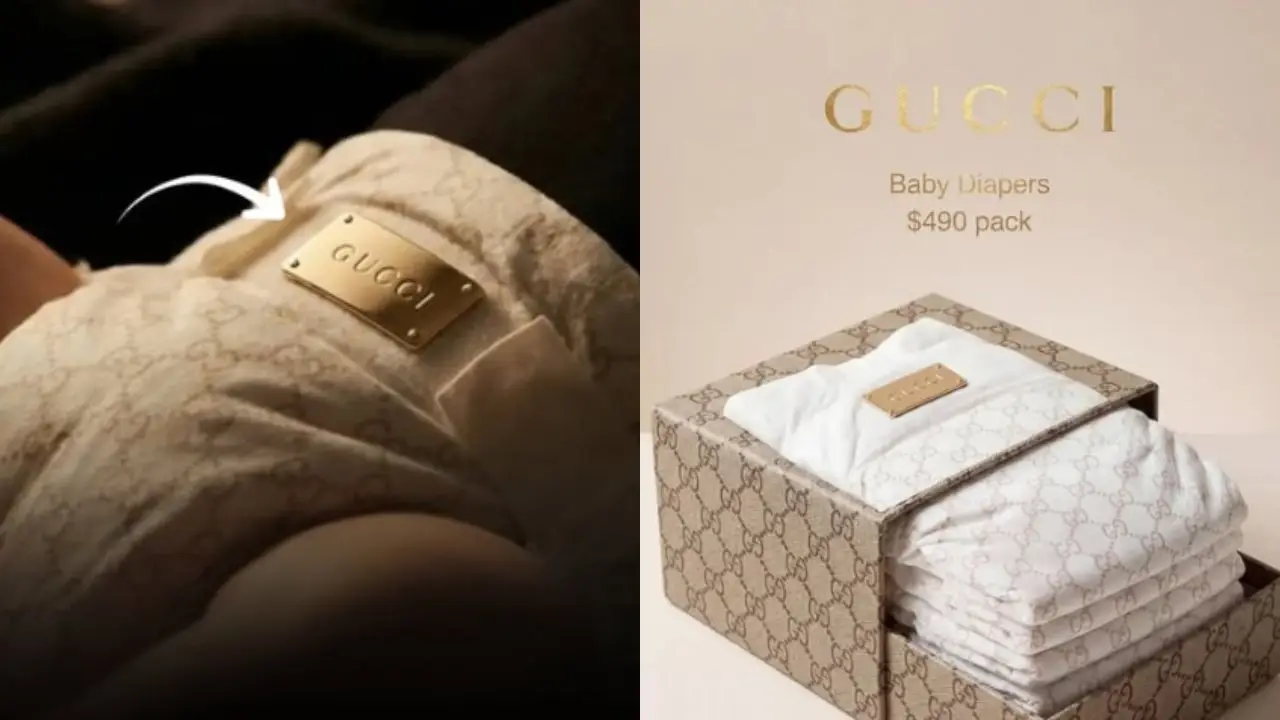
However, investigations by fact-checking organizations like LatestLY and TV9 Bharatvarsh confirmed that Gucci has made no official announcement about launching diapers. The images circulating were identified as AI-generated creations or memes designed to generate engagement. This pattern mirrors previous viral hoaxes where luxury brands are falsely attributed with outrageous products to provoke reactions and shares.
From Social Media to Fact-Check: How the Rumor Spread
The timeline of the Gucci diaper hoax reveals how quickly misinformation can travel in the digital age. The first posts appeared on platforms like Instagram, Facebook, and X (formerly Twitter) around March 30-31, 2026, presenting the diapers as a genuine luxury product. Within 48 hours, the claim gained traction across Indian and international social media circles, with users debating the product's plausibility.
By April 1, fact-checking websites had begun investigating the claim, consulting official Gucci channels and analyzing the images. Their consensus emerged by April 2: no such product exists, and the images show clear signs of AI generation. This rapid cycle—from viral claim to debunking—took less than 72 hours, demonstrating both the speed of misinformation and the importance of timely fact-checking.
Why Luxury Fashion Myths Go Viral: The Psychology Behind Fake Product Claims
The Gucci diaper phenomenon taps into several psychological factors that make luxury fashion myths particularly shareable. First, the concept of "absurd luxury"—extremely expensive versions of mundane items—generates curiosity and outrage, two emotions that drive engagement. Second, the involvement of a prestigious brand like Gucci lends credibility to the claim initially, causing people to suspend disbelief momentarily.
Third, AI-generated imagery has lowered the barrier to creating convincing fake products. The Gucci diaper images, while not perfect, displayed enough branding elements to appear authentic at first glance. This technological shift means consumers must be more vigilant than ever about verifying product announcements through official channels.
Finally, social media algorithms prioritize content that sparks strong reactions, creating a feedback loop where outrageous claims receive more visibility. This environment encourages the creation of increasingly extreme fabrications, as content creators compete for attention in a crowded digital landscape.
Where Things Stand: Gucci's Official Position and Fact-Check Results
As of early April 2026, Gucci has not issued any statement specifically about the diaper rumors, which is consistent with the brand's typical approach to viral hoaxes. The company's official website and social media channels show no mention of baby diapers, and representatives have not responded to media inquiries about the product—further evidence that the claim is baseless.
Fact-check organizations across multiple countries have uniformly labeled the Gucci diaper claim as false. LatestLY's investigation concluded that "the idea of $490 Gucci diapers is nothing more than a digital myth," while TV9 Bharatvarsh stated plainly that "Gucci doesn't make or sell actual baby diapers." These independent verifications provide authoritative closure to the rumor.
How to Spot Fake Luxury Product Announcements
As AI-generated content becomes more sophisticated, consumers need practical strategies to identify genuine product launches versus viral fabrications. First, always check the brand's official website and verified social media accounts—legitimate luxury launches receive prominent placement across official channels. Second, examine images for inconsistencies: AI-generated pictures often have subtle flaws in textures, logos, or proportions upon closer inspection.
Third, consider the product's plausibility within the brand's existing portfolio. While luxury brands do expand into unexpected categories, radical departures like diapers from a fashion house warrant extra skepticism. Fourth, look for multiple credible news sources covering the launch—genuine luxury product announcements typically receive coverage from established fashion publications and news outlets.
Finally, utilize fact-checking websites when encountering sensational claims. Organizations like LatestLY, Snopes, and local fact-check initiatives provide valuable verification services that can quickly confirm or debunk viral rumors.
Key Takeaways for Savvy Fashion Consumers
The Gucci diaper episode offers several important lessons for navigating today's digital fashion landscape. Luxury brand myths spread rapidly due to psychological triggers and algorithmic amplification, making critical thinking essential. AI-generated imagery has made fake products more convincing than ever, requiring consumers to develop stronger verification habits.
By understanding how these viral claims operate—from their emotional appeal to their technical creation—fashion enthusiasts can better separate fact from fiction. The incident also highlights the valuable role of fact-checking organizations in maintaining truth in the digital age, particularly as technology continues to blur the lines between reality and fabrication.